
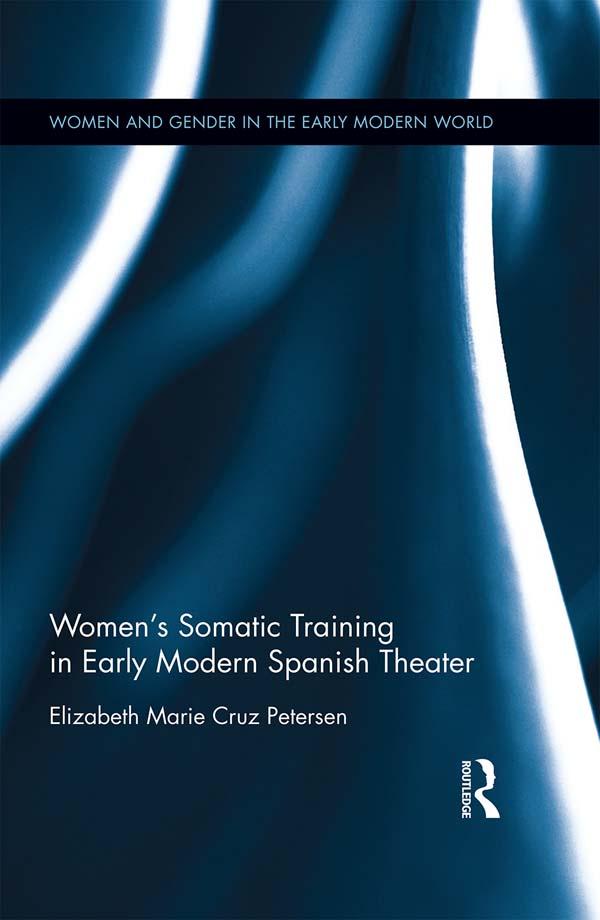
Drawing from early modern plays and treatises on the precepts and practices of the acting process, this study shows how the early modern Spanish actress subscribed to various somatic practices in an effort to prepare for a role. It provides today's reader not only another perspective to the performance aspect of early modern plays, but also a better understanding of how the woman of the theater succeeded in a highly scrutinized profession. Elizabeth Marie Cruz Petersen examines examples of comedias from playwrights such as Lope de Vega, Luis Vélez de Guevara, Tirso de Molina, and Ana Caro, historical documents, and treatises to demonstrate that the women of the stage transformed their bodies and their social and cultural environment in order to succeed in early modern Spanish theater. Women's Somatic Training in Early Modern Spanish Theater is the first full-length, in-depth study of women actors in seventeenth-century Spain. Unique in the field of comedia studies, it approaches the topic from a performance perspective, using somaesthetics as a tool to explain how an artist's lived experiences and emotions unite in the interpretation of art, reconfiguring her "self" via the transformation of habit.
Betaal eenvoudig met kaart, Klarna, Apple Pay of Google Pay. Niet tevreden? Je hebt altijd 14 dagen bedenktijd. Lees meer in onze voorwaarden. Heb je vragen, mail ons dan via hello@memmo.org.
Memmo maakt studeren makkelijker – waar je ook bent ter wereld. Wij brengen je cursusboeken en slimme studietools samen op één plek: samenvattingen, quizzen, podcasts en flashcards. En Ted, je studievriend die antwoord geeft op alles wat je je afvraagt. Meer dan 50.000 studenten studeren hier al – gebouwd om je sneller te laten leren en minder stress te geven.
Misschien vind je dit ook leuk
Koop het boek0