
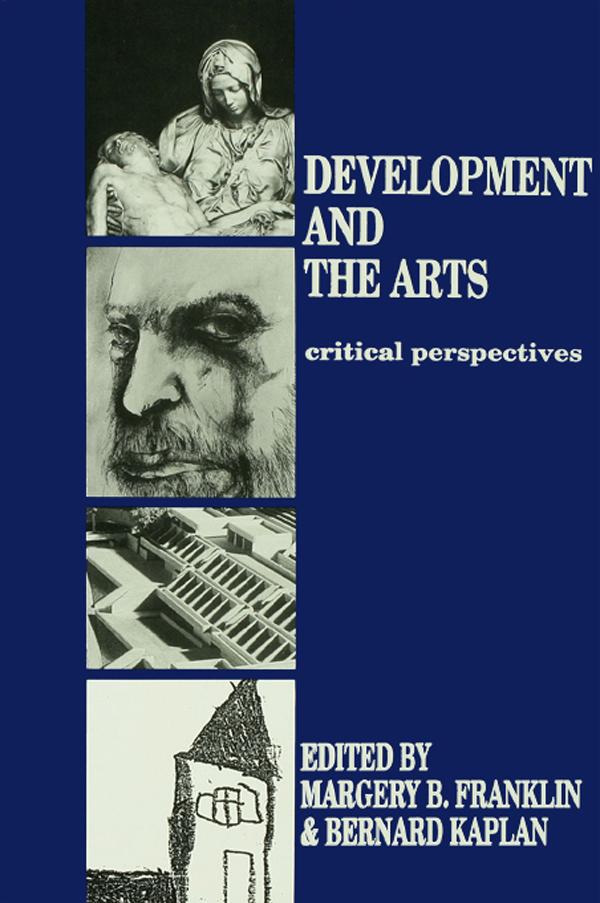
This volume's unifying theme is the question: Is a concept of development relevant to art? Bringing together contributions from the perspectives of philosophical aesthetics, psychoanalysis, architecture and design, and the practicing artist, as well as developmental theory in psychology, this volume provides a unique assembly of voices from different disciplines. The twelve chapters span artistic production in childhood, transformations in the work of the individual artist, and historical changes in art, thus establishing a broad canvas for examining how concepts of development are used in relation to the arts.
The contributors consider specific phenomena and questions against the background of theoretical issues, taking markedly different views on whether change in artistic work can be aptly characterized as development and, if so, what modulations of the concept may be required in light of accompanying assumptions and implications. Given the nature of this discourse, this richly illustrated book should lead to a radical rethinking among those who apply developmental concepts to artistic phenomena and aesthetic movements, and to reconsideration of the role of art in optimal human development within the individual and within social orders.
Betaal eenvoudig met kaart, Klarna, Apple Pay of Google Pay. Niet tevreden? Je hebt altijd 14 dagen bedenktijd. Lees meer in onze voorwaarden. Heb je vragen, mail ons dan via hello@memmo.org.
Memmo maakt studeren makkelijker – waar je ook bent ter wereld. Wij brengen je cursusboeken en slimme studietools samen op één plek: samenvattingen, quizzen, podcasts en flashcards. En Ted, je studievriend die antwoord geeft op alles wat je je afvraagt. Meer dan 50.000 studenten studeren hier al – gebouwd om je sneller te laten leren en minder stress te geven.