
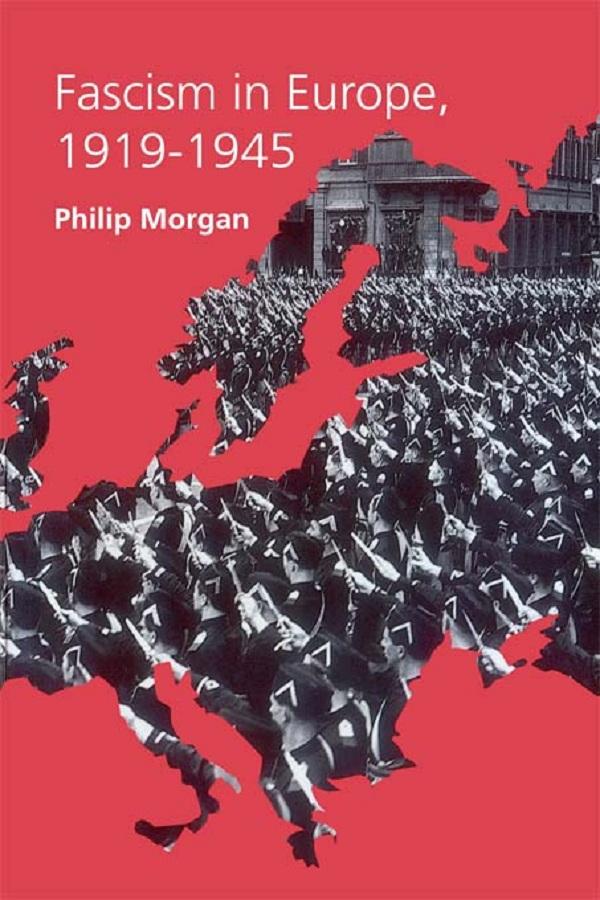
Fascism in Europe, 1919-1945 surveys the phenomenon which is still the object of interest and debate over fifty years after its defeat in the Second World War. It introduces the recent scholarship and continuing debates on the nature of fascism as well as the often contentious contributions by foreign historians and political scientists.
From the pre-First World War intellectual origins of Fascism to its demise in 1945, this book examines:
* the two 'waves' of fascism - in the immediate post-war period and in the late 1920s and early 1930s
* whether the European crisis created by the Treaty of Versailles allowed fascism to take root
* why fascism came to power in Italy and Germany, but not anywhere else in Europe
* fascism's own claim to be an international and internationalist movement
* the idea of 'totalitarianism' as the most useful and appropriate way of analyzing the fascist regimes.
Betaal eenvoudig met kaart, Klarna, Apple Pay of Google Pay. Niet tevreden? Je hebt altijd 14 dagen bedenktijd. Lees meer in onze voorwaarden. Heb je vragen, mail ons dan via hello@memmo.org.
Memmo maakt studeren makkelijker – waar je ook bent ter wereld. Wij brengen je cursusboeken en slimme studietools samen op één plek: samenvattingen, quizzen, podcasts en flashcards. En Ted, je studievriend die antwoord geeft op alles wat je je afvraagt. Meer dan 50.000 studenten studeren hier al – gebouwd om je sneller te laten leren en minder stress te geven.