
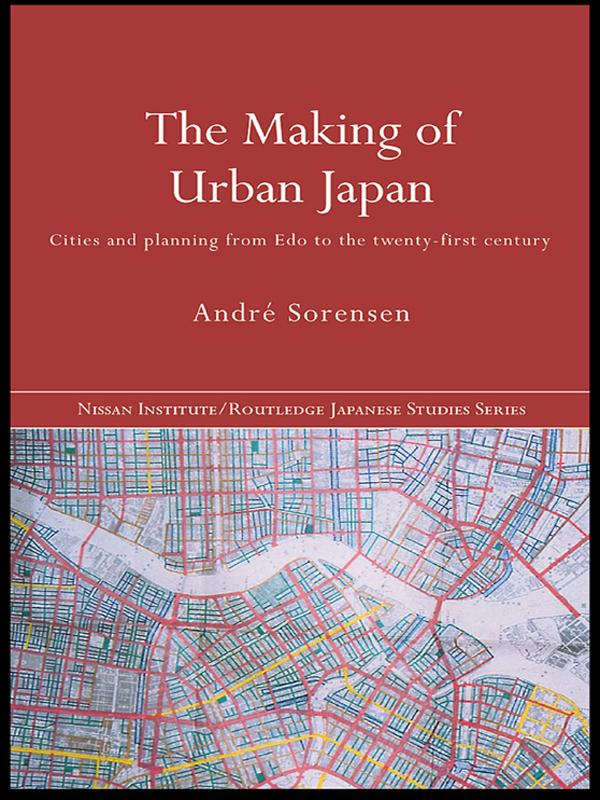
During the twentieth century, Japan was transformed from a poor, primarily rural country into one of the world's largest industrial powers and most highly urbanised countries. Interestingly, while Japanese governments and planners borrowed carefully from the planning ideas and methods of many other countries, Japanese urban planning, urban governance and cities developed very differently from those of other developed countries. Japan's distinctive patterns of urbanisation are partly a product of the highly developed urban system, urban traditions and material culture of the pre-modern period, which remained influential until well after the Pacific War. A second key influence has been the dominance of central government in urban affairs, and its consistent prioritisation of economic growth over the public welfare or urban quality of life. André Sorensen examines Japan's urban trajectory from the mid-nineteenth century to the present, paying particular attention to the weak development of Japanese civil society, local governments, and land development and planning regulations.
Pagina's: 400
Categorie: Arkitektur & Stadsplanering
e-ISBN: 9781134736577
Verzendgewicht: 1.2 kg
Verzending binnen: 1-2 dagen
Betaal eenvoudig met kaart, Klarna, Apple Pay of Google Pay. Niet tevreden? Je hebt altijd 14 dagen bedenktijd. Lees meer in onze voorwaarden. Heb je vragen, mail ons dan via hello@memmo.org.
Memmo maakt studeren makkelijker – waar je ook bent ter wereld. Wij brengen je cursusboeken en slimme studietools samen op één plek: samenvattingen, quizzen, podcasts en flashcards. En Ted, je studievriend die antwoord geeft op alles wat je je afvraagt. Meer dan 50.000 studenten studeren hier al – gebouwd om je sneller te laten leren en minder stress te geven.
Misschien vind je dit ook leuk
Koop het boek0