
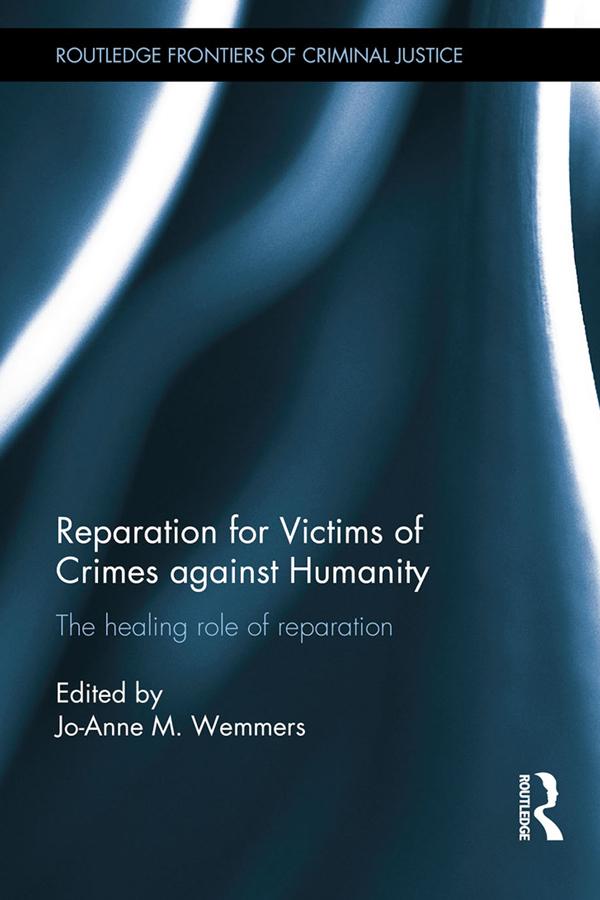
Each year, countless people fall victim to crimes against humanity. These include widespread occurrences of systematic murder, torture, rape, disappearances, forced deportation and political persecution. Crimes against humanity constitute an attack on human dignity and as such they violate the human rights of the victim, as well as the laws of humanity.
In recent years, following the creation of the International Criminal Court, there has been a growing interest in the prosecution of offenders and, in particular, in reparation following crimes against humanity. While such measures are meant to provide justice for victims, victims are often forgotten or lost in legal debates about what constitutes reparation and who is eligible to receive it.
This book reaches beyond the boundaries of law and psychology and takes a multidisciplinary approach to the question of reparation for victims of crimes against humanity. Law does not take place in a vacuum and it is important to consider the impact of the law on the psychology of the victim, as well as the legal principles themselves. Herein lies the originality of this book, which bridges the gaps between psychology, victimology, criminology and law and will be of key interest to academics and students engaged in the study of these areas.
Betaal eenvoudig met kaart, Klarna, Apple Pay of Google Pay. Niet tevreden? Je hebt altijd 14 dagen bedenktijd. Lees meer in onze voorwaarden. Heb je vragen, mail ons dan via hello@memmo.org.
Memmo maakt studeren makkelijker – waar je ook bent ter wereld. Wij brengen je cursusboeken en slimme studietools samen op één plek: samenvattingen, quizzen, podcasts en flashcards. En Ted, je studievriend die antwoord geeft op alles wat je je afvraagt. Meer dan 50.000 studenten studeren hier al – gebouwd om je sneller te laten leren en minder stress te geven.