
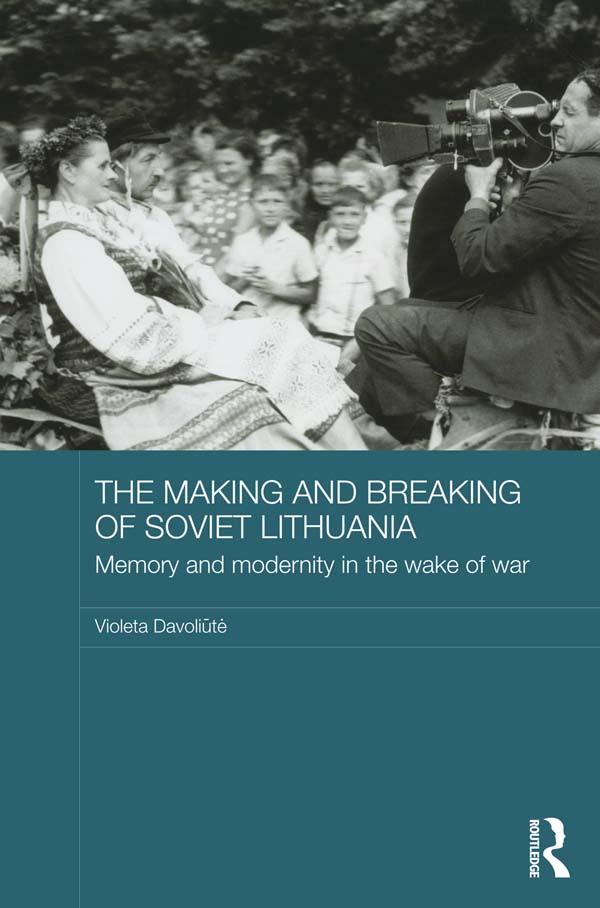
Appearing on the world stage in 1918, Lithuania suffered numerous invasions, border changes and large scale population displacements.The successive occupations of Stalin in 1940 and Hitler in 1941, mass deportations to the Gulag and the elimination of the Jewish community in the Holocaust gave the horrors of World War II a special ferocity. Moreover, the fighting continued after 1945 with the anti-Soviet insurrection, crushed through mass deportations and forced collectivization in 1948-1951. At no point, however, did the process of national consolidation take a pause, making Lithuania an improbably representative case study of successful nation-building in this troubled region. As postwar reconstruction gained pace, ethnic Lithuanians from the countryside – the only community to remain after the war in significant numbers – were mobilized to work in the cities. They streamed into factory and university alike, creating a modern urban society, with new elites who had a surprising degree of freedom to promote national culture. This book describes how the national cultural elites constructed a Soviet Lithuanian identity against a backdrop of forced modernization in the fifties and sixties, and how they subsequently took it apart by evoking the memory of traumatic displacement in the seventies and eighties, later emerging as prominent leaders of the popular movement against Soviet rule.
Betaal eenvoudig met kaart, Klarna, Apple Pay of Google Pay. Niet tevreden? Je hebt altijd 14 dagen bedenktijd. Lees meer in onze voorwaarden. Heb je vragen, mail ons dan via hello@memmo.org.
Memmo maakt studeren makkelijker – waar je ook bent ter wereld. Wij brengen je cursusboeken en slimme studietools samen op één plek: samenvattingen, quizzen, podcasts en flashcards. En Ted, je studievriend die antwoord geeft op alles wat je je afvraagt. Meer dan 50.000 studenten studeren hier al – gebouwd om je sneller te laten leren en minder stress te geven.