
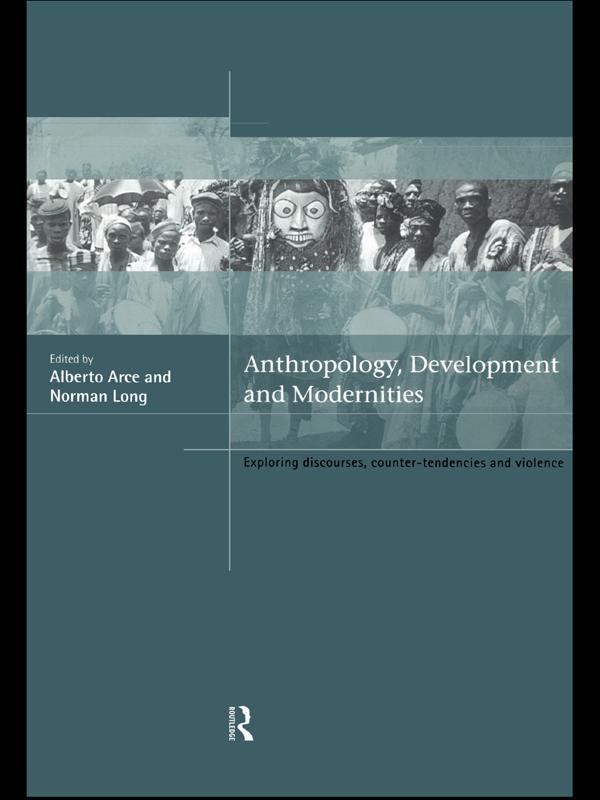
While the diffusion of modernity and the spread of development schemes may bring prosperity, optimism and opportunity for some, for others it has brought poverty, a deterioration in quality of life and has given rise to violence. This collection brings an anthropological perspective to bear on understanding the diverse modernities we face in the contemporary world. It provides a critical review of interpretations of development and modernity, supported by rigorous case studies from regions as diverse as Guatemala, Sri Lanka, West Africa and contemporary Europe.
Together, the chapters in this volume demonstrate the crucial importance of looking to ethnography for guidance in shaping development policies. Ethnography can show how people's own agency transforms, recasts and complicates the modernities they experience. The contributors argue that explanations of change framed in terms of the dominantdiscourses and institutions of modernity are inadequate, and that we give closer attention to discourses, images, beliefs and practices that run counter to these yet play a part in shaping them and giving them meaning.
Anthropology, Development and Modernities deals with the realities of people's everyday lives and dilemmas. It is essential reading for students and scholars in anthropology, sociology and development studies. It should also be read by all those actively involved in development work.
Betaal eenvoudig met kaart, Klarna, Apple Pay of Google Pay. Niet tevreden? Je hebt altijd 14 dagen bedenktijd. Lees meer in onze voorwaarden. Heb je vragen, mail ons dan via hello@memmo.org.
Memmo maakt studeren makkelijker – waar je ook bent ter wereld. Wij brengen je cursusboeken en slimme studietools samen op één plek: samenvattingen, quizzen, podcasts en flashcards. En Ted, je studievriend die antwoord geeft op alles wat je je afvraagt. Meer dan 50.000 studenten studeren hier al – gebouwd om je sneller te laten leren en minder stress te geven.