
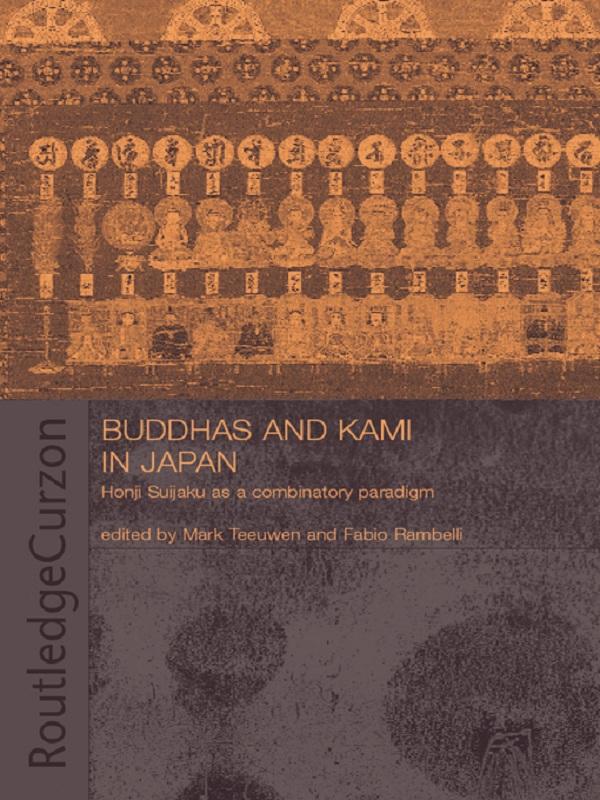
This volume offers a multidisciplinary approach to the combinatory tradition that dominated premodern and early modern Japanese religion, known as honji suijaku (originals and their traces). It questions received, simplified accounts of the interactions between Shinto and Japanese Buddhism, and presents a more dynamic and variegated religious world, one in which the deities' Buddhist originals and local traces did not constitute one-to-one associations, but complex combinations of multiple deities based on semiotic operations, doctrines, myths, and legends. The book's essays, all based on specific case studies, discuss the honji suijaku paradigm from a number of different perspectives, always integrating historical and doctrinal analysis with interpretive insights.
Betaal eenvoudig met kaart, Klarna, Apple Pay of Google Pay. Niet tevreden? Je hebt altijd 14 dagen bedenktijd. Lees meer in onze voorwaarden. Heb je vragen, mail ons dan via hello@memmo.org.
Memmo maakt studeren makkelijker – waar je ook bent ter wereld. Wij brengen je cursusboeken en slimme studietools samen op één plek: samenvattingen, quizzen, podcasts en flashcards. En Ted, je studievriend die antwoord geeft op alles wat je je afvraagt. Meer dan 50.000 studenten studeren hier al – gebouwd om je sneller te laten leren en minder stress te geven.