
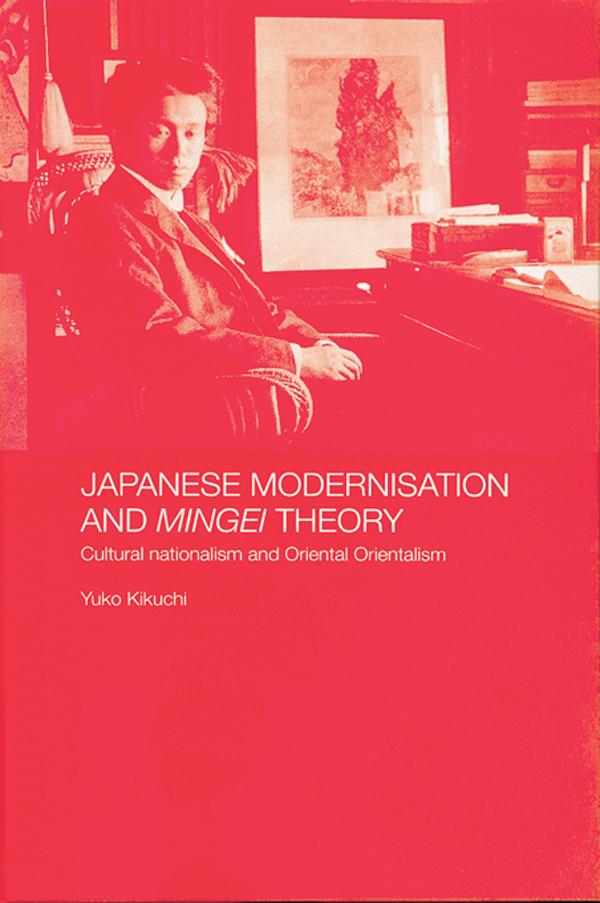
Conceptualised in 1920s Japan by Yanagi Sôetsu, the Mingei movement has spread world wide since the 1950s, creating phenomena as diverse as Mingei museums, Mingei connoisseurs and collectors, Mingei shops and Mingei restaurants. The theory, at its core and its adaptation by Bernard Leach, has long been an influential 'Oriental' aesthetic for studio craft artists in the West. But why did Mingei become so particularly influential to a western audience? And could the 'Orientalness' perceived in Mingei theory be nothing more than a myth? This richly illustrated work offers controversial new evidence through its cross-cultural examination of a wide range of materials in Japanese, English, Korean and Chinese, bringing about startling new conclusions concerning Japanese modernization and cultural authenticity. This new interpretation of the Mingei movement will appeal to scholars of Japanese art history as well as those with interests in cultural identity in non-Western cultures.
Betaal eenvoudig met kaart, Klarna, Apple Pay of Google Pay. Niet tevreden? Je hebt altijd 14 dagen bedenktijd. Lees meer in onze voorwaarden. Heb je vragen, mail ons dan via hello@memmo.org.
Memmo maakt studeren makkelijker – waar je ook bent ter wereld. Wij brengen je cursusboeken en slimme studietools samen op één plek: samenvattingen, quizzen, podcasts en flashcards. En Ted, je studievriend die antwoord geeft op alles wat je je afvraagt. Meer dan 50.000 studenten studeren hier al – gebouwd om je sneller te laten leren en minder stress te geven.
Misschien vind je dit ook leuk
Koop het boek0