
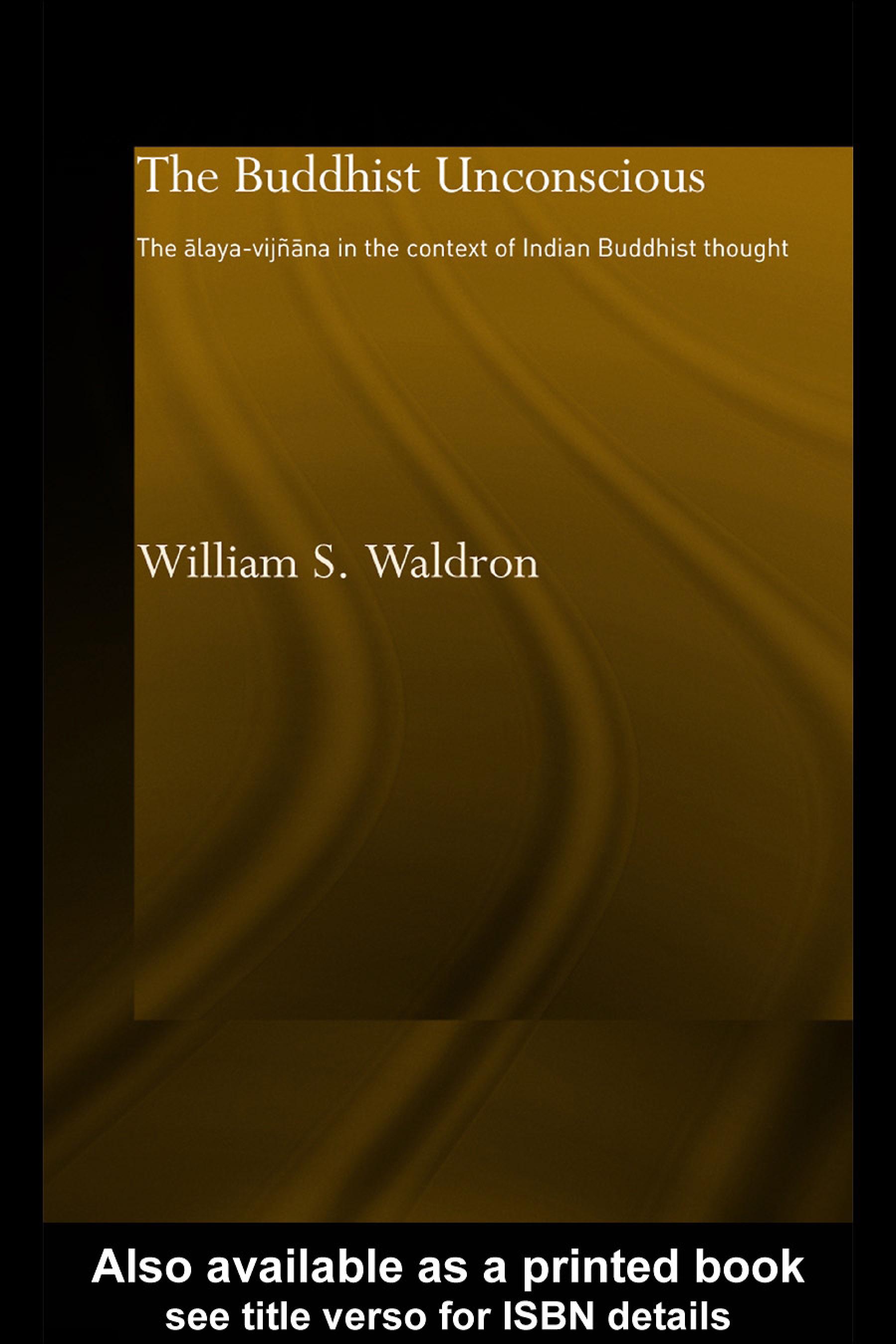
This is the story of fifth century CE India, when the Yogacarin Buddhists tested the awareness of unawareness, and became aware of human unawareness to an extraordinary degree. They not only explicitly differentiated this dimension of mental processes from conscious cognitive processes, but also offered reasoned arguments on behalf of this dimension of mind. This is the concept of the 'Buddhist unconscious', which arose just as philosophical discourse in other circles was fiercely debating the limits of conscious awareness, and these ideas in turn had developed as a systematisation of teachings from the Buddha himself. For us in the twenty-first century, these teachings connect in fascinating ways to the Western conceptions of the 'cognitive unconscious' which have been elaborated in the work of Jung and Freud.
This important study reveals how the Buddhist unconscious illuminates and draws out aspects of current western thinking on the unconscious mind. One of the most intriguing connections is the idea that there is in fact no substantial 'self' underlying all mental activity; 'the thoughts themselves are the thinker'. William S. Waldron considers the implications of this radical notion, which, despite only recently gaining plausibility, was in fact first posited 2,500 years ago.
Pagina's: 288
Categorie: Filosofi
e-ISBN: 9781134428854
Verzendgewicht: 1.2 kg
Verzending binnen: 1-2 dagen
Betaal eenvoudig met kaart, Klarna, Apple Pay of Google Pay. Niet tevreden? Je hebt altijd 14 dagen bedenktijd. Lees meer in onze voorwaarden. Heb je vragen, mail ons dan via hello@memmo.org.
Memmo maakt studeren makkelijker – waar je ook bent ter wereld. Wij brengen je cursusboeken en slimme studietools samen op één plek: samenvattingen, quizzen, podcasts en flashcards. En Ted, je studievriend die antwoord geeft op alles wat je je afvraagt. Meer dan 50.000 studenten studeren hier al – gebouwd om je sneller te laten leren en minder stress te geven.
Misschien vind je dit ook leuk
Koop het boek0