
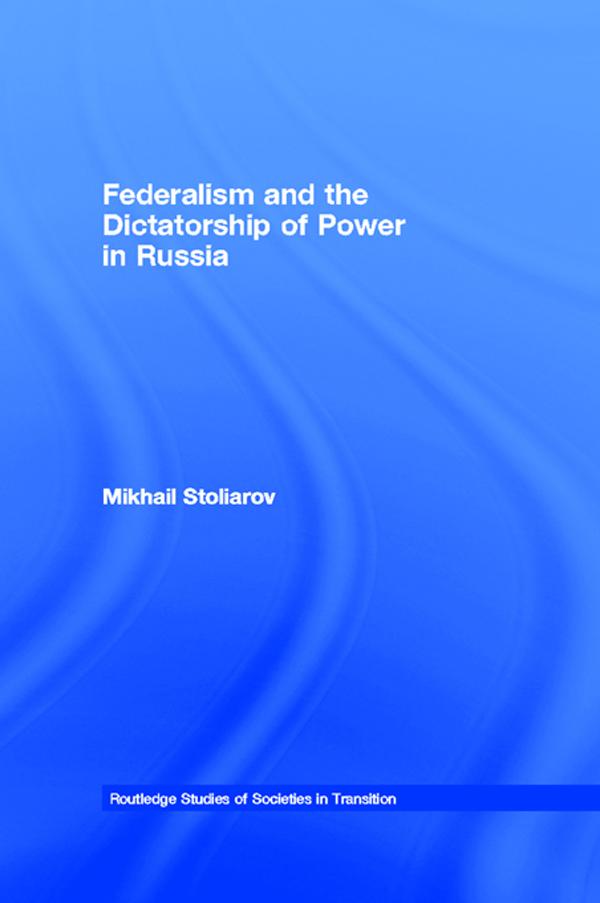
Stoliarov presents an analysis of the historical traditions and distinctive features of modern Russian federalism. He reviews the state of affairs in today's Russia as it strives to become a federal democracy securing the rights and liberties of its citizens. By tracing two contrasting ideas - federalism and derzhavnost (dictatorship of power) - in the legacy of the Russian state, and in relations between the modern federal government and the regions, he demonstrates the need for balance in the delimitation of power. The election in 2000 if Vladimir Putin as President raised doubts about the future of federalism among politicians and citizens, but Stoliarov believes that the development of federalism is the only way forward for this multi-ethnic and multi-religious society. He shows that the strengthening of 'vertical power' and 'dictatorship of the law', despite their patriotic appeal, are likely to have a negative effect on the building of democracy and federalism in Russia.
Betaal eenvoudig met kaart, Klarna, Apple Pay of Google Pay. Niet tevreden? Je hebt altijd 14 dagen bedenktijd. Lees meer in onze voorwaarden. Heb je vragen, mail ons dan via hello@memmo.org.
Memmo maakt studeren makkelijker – waar je ook bent ter wereld. Wij brengen je cursusboeken en slimme studietools samen op één plek: samenvattingen, quizzen, podcasts en flashcards. En Ted, je studievriend die antwoord geeft op alles wat je je afvraagt. Meer dan 50.000 studenten studeren hier al – gebouwd om je sneller te laten leren en minder stress te geven.