
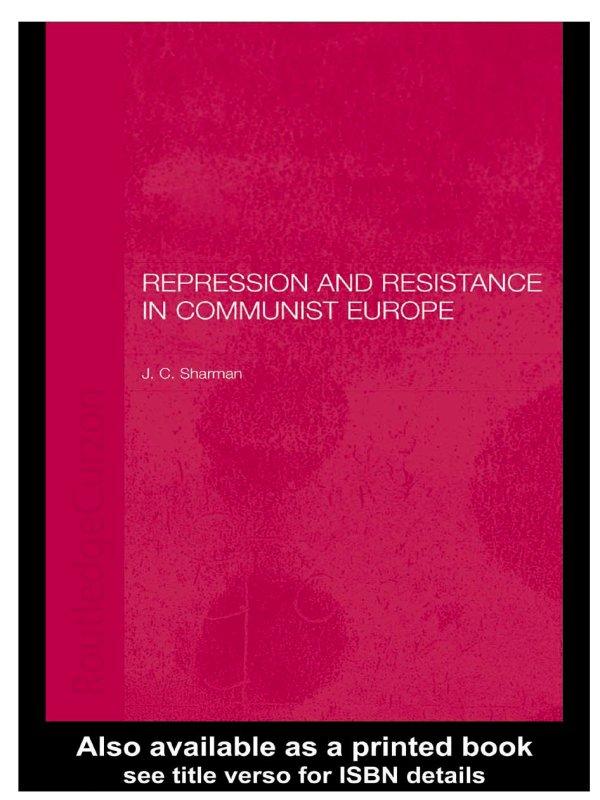
This book explores the role of coercion in the relationship between the citizens and regimes of communist Eastern Europe. Looking in detail at Soviet collectivisation in 1928-34, the Hungarian Uprising of 1956 and the Polish Solidarity Movement of 1980-84, it shows how the system excluded channels to enable popular grievances to be translated into collective opposition; how this lessened the amount of popular protest, affected the nature of such protest as did occur and entrenched the dominance of state over society.
Betaal eenvoudig met kaart, Klarna, Apple Pay of Google Pay. Niet tevreden? Je hebt altijd 14 dagen bedenktijd. Lees meer in onze voorwaarden. Heb je vragen, mail ons dan via hello@memmo.org.
Memmo maakt studeren makkelijker – waar je ook bent ter wereld. Wij brengen je cursusboeken en slimme studietools samen op één plek: samenvattingen, quizzen, podcasts en flashcards. En Ted, je studievriend die antwoord geeft op alles wat je je afvraagt. Meer dan 50.000 studenten studeren hier al – gebouwd om je sneller te laten leren en minder stress te geven.
Misschien vind je dit ook leuk
Koop het boek0