
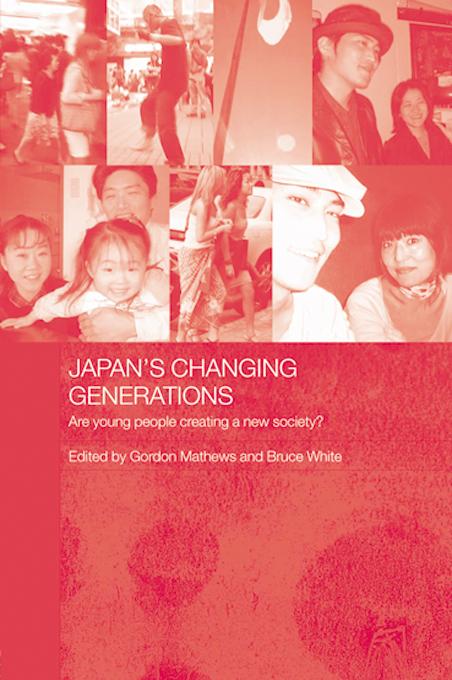
This book argues that 'the generation gap' in Japan is something more than young people resisting the adult social order before entering and conforming to that order. Rather, it signifies something more fundamental: the emergence of a new Japan, which may be quite different from the Japan of postwar decades. It argues that while young people in Japan in their teens, twenties and early thirties are not engaged in overt social or political resistance, they are turning against the existing Japanese social order, whose legitimacy has been undermined by the past decade of economic downturn. The book shows how young people in Japan are thinking about their bodies and identities, their social relationships, and their employment and parenting, in new and generationally contextual ways, that may help to create a future Japan quite different from Japan of the recent past.
Betaal eenvoudig met kaart, Klarna, Apple Pay of Google Pay. Niet tevreden? Je hebt altijd 14 dagen bedenktijd. Lees meer in onze voorwaarden. Heb je vragen, mail ons dan via hello@memmo.org.
Memmo maakt studeren makkelijker – waar je ook bent ter wereld. Wij brengen je cursusboeken en slimme studietools samen op één plek: samenvattingen, quizzen, podcasts en flashcards. En Ted, je studievriend die antwoord geeft op alles wat je je afvraagt. Meer dan 50.000 studenten studeren hier al – gebouwd om je sneller te laten leren en minder stress te geven.
Misschien vind je dit ook leuk
Koop het boek0