
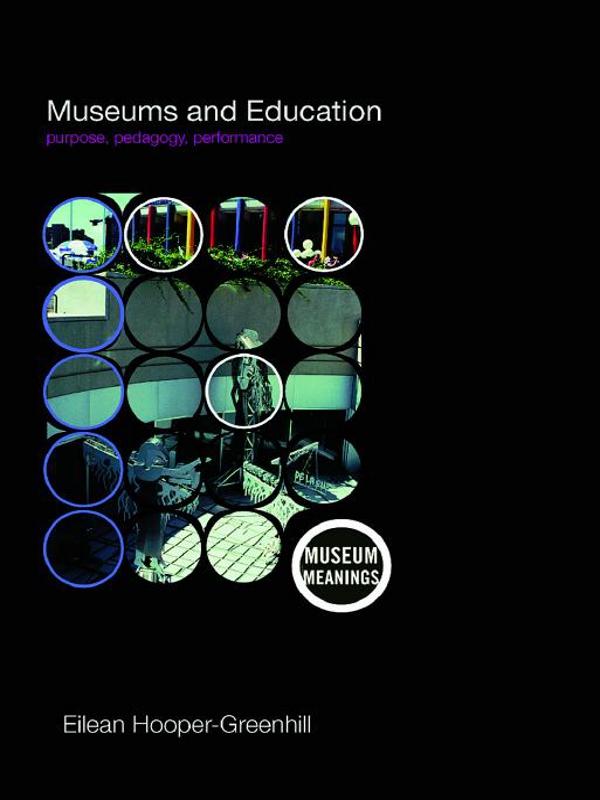
At the beginning of the 21st century museums are challenged on a number of fronts. The prioritisation of learning in museums in the context of demands for social justice and cultural democracy combined with cultural policy based on economic rationalism forces museums to review their educational purposes, redesign their pedagogies and account for their performance.
The need to theorise learning and culture for a cultural theory of learning is very pressing. If culture acts as a process of signification, a means of producing meaning that shapes worldviews, learning in museums and other cultural organisations is potentially dynamic and profound, producing self-identities. How is this complexity to be ‘measured’? What can this ‘measurement’ reveal about the character of museum-based learning? The calibration of culture is an international phenomenon, and the measurement of the outcomes and impact of learning in museums in England has provided a detailed case study. Three national evaluation studies were carried out between 2003 and 2006 based on the conceptual framework of Generic Learning Outcomes. Using this revealing data Museums and Education reveals the power of museum pedagogy and as it does, questions are raised about traditional museum culture and the potential and challenge for museum futures is suggested.
Betaal eenvoudig met kaart, Klarna, Apple Pay of Google Pay. Niet tevreden? Je hebt altijd 14 dagen bedenktijd. Lees meer in onze voorwaarden. Heb je vragen, mail ons dan via hello@memmo.org.
Memmo maakt studeren makkelijker – waar je ook bent ter wereld. Wij brengen je cursusboeken en slimme studietools samen op één plek: samenvattingen, quizzen, podcasts en flashcards. En Ted, je studievriend die antwoord geeft op alles wat je je afvraagt. Meer dan 50.000 studenten studeren hier al – gebouwd om je sneller te laten leren en minder stress te geven.