
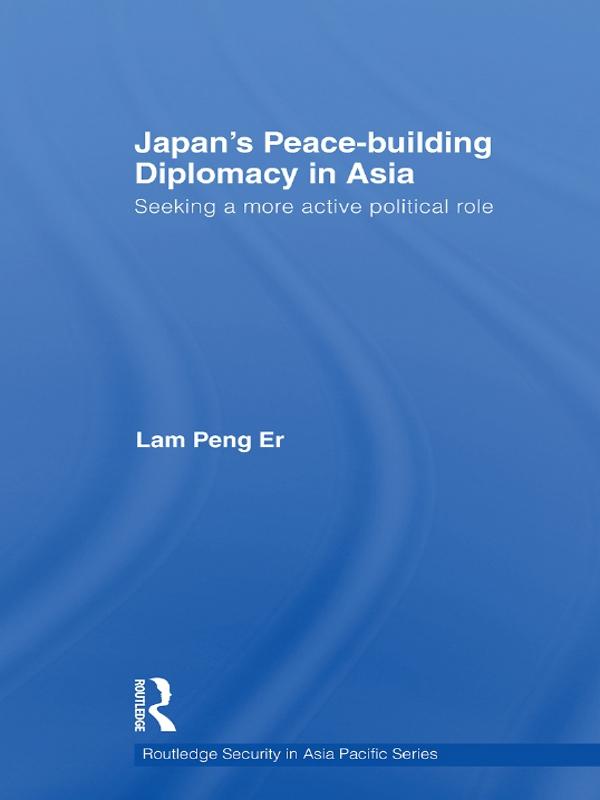
The conventional portrayal of Japan’s role in international affairs is of a passive political player which – despite its position as the world’s second largest economic power – punches below its weight on the world stage: its foreign policy driven by Washington, mercantilism and constrained by domestic pacifism. This book examines Japan’s emerging identity as an important participant in conflict prevention and peace-building in Southeast and South Asia, demonstrating that Japan has increasingly sought a positive and active political role commensurate with its economic pre-eminence. The book considers Japanese involvement in many of the region’s most serious recent conflicts: including Japan’s part in the brokering and maintaining of peace in Cambodia, which in 1992 saw the first dispatch of troops abroad by Tokyo since the end of World War II, and the attempts to bring peace to Aceh, Sri Lanka, East Timor and Mindanao. The Japanese example, when compared with other countries prominent in the fields of conflict prevention, suggests that Tokyo – given its pacifist strategic culture – relies on diplomacy and Official Development Assistance rather than peace enforcement through military means. Overall, this book provides a lucid appraisal of Japan’s overall foreign policy, as well as its new role in conflict prevention and peace-building - analysing the reasons behind this shift towards an active international role and assessing the degree of success it has enjoyed.
Betaal eenvoudig met kaart, Klarna, Apple Pay of Google Pay. Niet tevreden? Je hebt altijd 14 dagen bedenktijd. Lees meer in onze voorwaarden. Heb je vragen, mail ons dan via hello@memmo.org.
Memmo maakt studeren makkelijker – waar je ook bent ter wereld. Wij brengen je cursusboeken en slimme studietools samen op één plek: samenvattingen, quizzen, podcasts en flashcards. En Ted, je studievriend die antwoord geeft op alles wat je je afvraagt. Meer dan 50.000 studenten studeren hier al – gebouwd om je sneller te laten leren en minder stress te geven.