
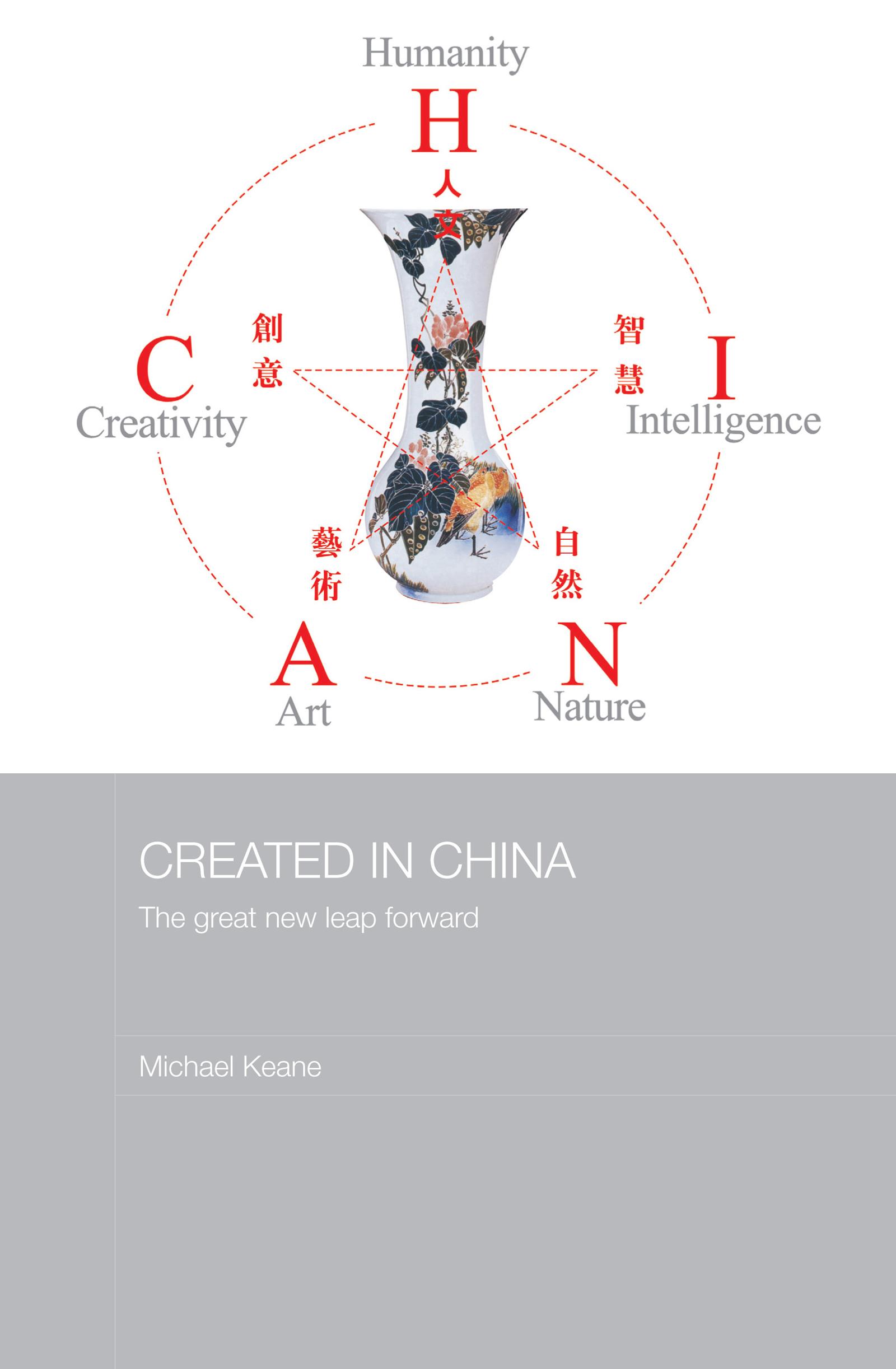
This book examines China’s creative economy—and how television, animation, advertising, design, publishing and digital games are reshaping traditional understanding of culture. Since the 1950s China has endeavoured to catch-up with advanced Western economies. ‘Made in China’ is one approach to global competitiveness. But a focus on manufacturing and productivity is impeding innovation. China imports creativity and worries about its ‘cultural exports deficit’. In the cultural sector Chinese audiences are attracted to Korean, Taiwanese, and Japanese culture, as well as Hollywood cinema. This book provides a fresh look looks at China’s move up the global value chain. It argues that while government and (most) citizens would prefer to associate with the nationalistic, but unrealized ‘created in China’ brand, widespread structural reforms are necessary to release creative potential. Innovation policy in China has recently acknowledged these problems. It considers how new ways of managing cultural assets can renovate largely non-competitive Chinese cultural industries. Together with a history of cultural commerce in China, the book details developments in new creative industries and provides the international context for creative cluster policy in Beijing and Shanghai.
Betaal eenvoudig met kaart, Klarna, Apple Pay of Google Pay. Niet tevreden? Je hebt altijd 14 dagen bedenktijd. Lees meer in onze voorwaarden. Heb je vragen, mail ons dan via hello@memmo.org.
Memmo maakt studeren makkelijker – waar je ook bent ter wereld. Wij brengen je cursusboeken en slimme studietools samen op één plek: samenvattingen, quizzen, podcasts en flashcards. En Ted, je studievriend die antwoord geeft op alles wat je je afvraagt. Meer dan 50.000 studenten studeren hier al – gebouwd om je sneller te laten leren en minder stress te geven.