
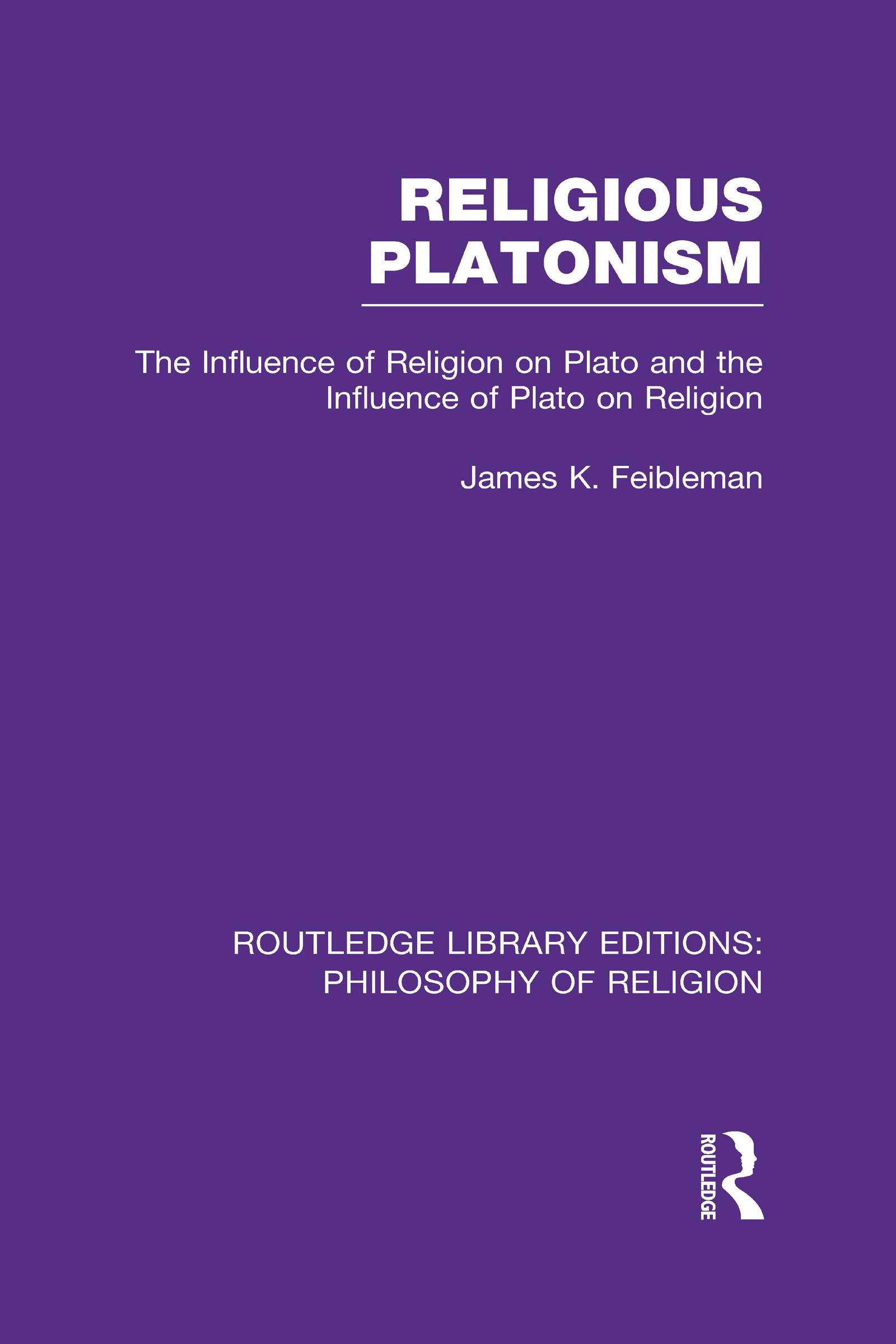
In Plato’s Laws is the earliest surviving fully developed cosmological argument. His influence on the philosophy of religion is wide ranging and this book examines both that and the influence of religion on Plato.
Central to Plato’s thought is the theory of forms, which holds that there exists a realm of forms, perfect ideals of which things in this world are but imperfect copies. In this book, originally published in 1959, Feibleman finds two diverse strands in Plato’s philosophy: an idealism centered upon the Forms denying full ontological status to the realm of becoming, and a moderate realism granting actuality equal reality with Forms. For each strand Plato developed a conception of religion: a supernatural one derived from Orphism, and a naturalistic religion revering the traditional Olympian deities.
Betaal eenvoudig met kaart, Klarna, Apple Pay of Google Pay. Niet tevreden? Je hebt altijd 14 dagen bedenktijd. Lees meer in onze voorwaarden. Heb je vragen, mail ons dan via hello@memmo.org.
Memmo maakt studeren makkelijker – waar je ook bent ter wereld. Wij brengen je cursusboeken en slimme studietools samen op één plek: samenvattingen, quizzen, podcasts en flashcards. En Ted, je studievriend die antwoord geeft op alles wat je je afvraagt. Meer dan 50.000 studenten studeren hier al – gebouwd om je sneller te laten leren en minder stress te geven.