
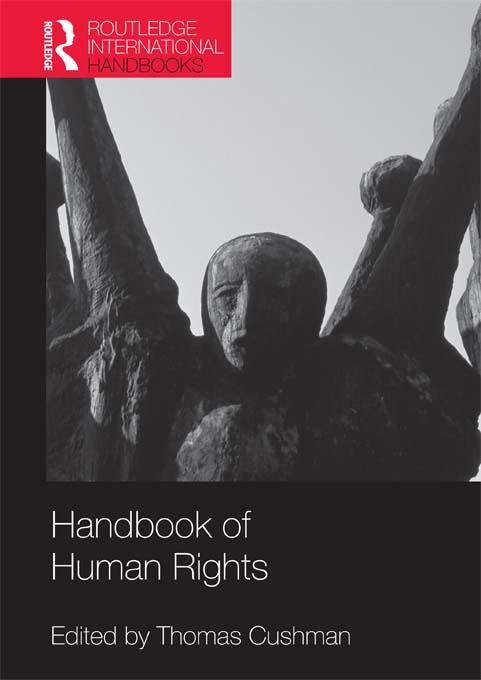
In mapping out the field of human rights for those studying and researching within both humanities and social science disciplines, the Handbook of Human Rights not only provides a solid foundation for the reader who wants to learn the basic parameters of the field, but also promotes new thinking and frameworks for the study of human rights in the twenty-first century.
The Handbook comprises over sixty individual contributions from key figures around the world, which are grouped according to eight key areas of discussion:
- foundations and critiques;
- new frameworks for understanding human rights;
- world religious traditions and human rights;
- social, economic, group, and collective rights;
- critical perspectives on human rights organizations, institutions, and practices;
- law and human rights;
- narrative and aesthetic dimension of rights;
- geographies of rights.
In its presentation and analysis of the traditional core history and topics, critical perspectives, human rights culture, and current practice, this Handbook proves a valuable resource for all students and researchers with an interest in human rights.
Betaal eenvoudig met kaart, Klarna, Apple Pay of Google Pay. Niet tevreden? Je hebt altijd 14 dagen bedenktijd. Lees meer in onze voorwaarden. Heb je vragen, mail ons dan via hello@memmo.org.
Memmo maakt studeren makkelijker – waar je ook bent ter wereld. Wij brengen je cursusboeken en slimme studietools samen op één plek: samenvattingen, quizzen, podcasts en flashcards. En Ted, je studievriend die antwoord geeft op alles wat je je afvraagt. Meer dan 50.000 studenten studeren hier al – gebouwd om je sneller te laten leren en minder stress te geven.