
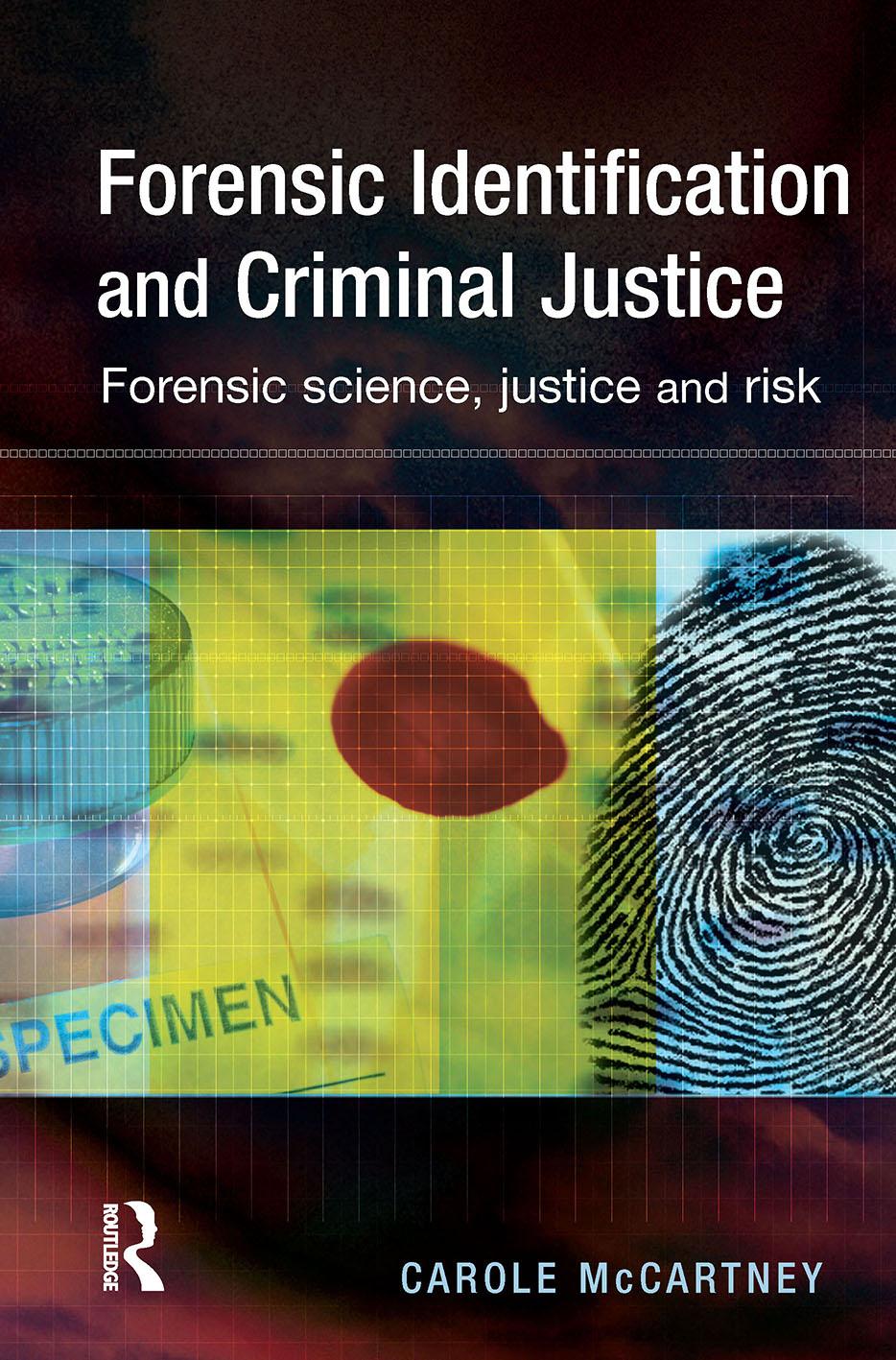
This book provides an account of the development of forensic identification technologies and the way in which this has impacted upon the legal system. It traces the advent of forensic identification technologies, focusing on fingerprinting and forensic DNA typing, and their growing deployment within the criminal justice system. It also elucidates the ways in which these new technologies are accelerating procedural changes to investigative practices, and shows the ways in which in some areas human rights (such as privacy rights and rights against discrimination) are coming under threat. The use of forensic evidence in criminal investigations and trials is analysed in detail.
This book uncovers the way in which this new reliance on forensic technologies has gained a foothold within the criminal justice system, and the risks and dangers that this can pose. The National DNA Database provides a particular focus of attention. The author seeks to move beyond an approach that has seen forensic DNA profiling as error free, situating her analysis within broader risk discourses.
Betaal eenvoudig met kaart, Klarna, Apple Pay of Google Pay. Niet tevreden? Je hebt altijd 14 dagen bedenktijd. Lees meer in onze voorwaarden. Heb je vragen, mail ons dan via hello@memmo.org.
Memmo maakt studeren makkelijker – waar je ook bent ter wereld. Wij brengen je cursusboeken en slimme studietools samen op één plek: samenvattingen, quizzen, podcasts en flashcards. En Ted, je studievriend die antwoord geeft op alles wat je je afvraagt. Meer dan 50.000 studenten studeren hier al – gebouwd om je sneller te laten leren en minder stress te geven.