
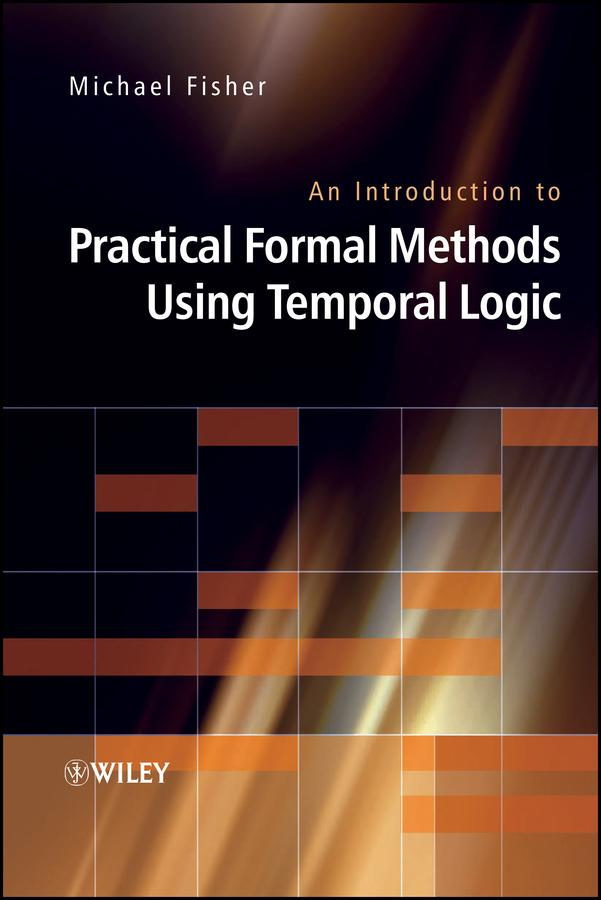
Fisher begins with a full introduction to the subject, covering the basics of temporal logic and using a variety of examples, exercises and pointers to more advanced work to help clarify and illustrate the topics discussed. He goes on to describe how this logic can be used to specify a variety of computational systems, looking at issues of linking specifications, concurrency, communication and composition ability. He then analyses temporal specification techniques such as deductive verification, algorithmic verification, and direct execution to develop and verify computational systems. The final chapter on case studies analyses the potential problems that can occur in a range of engineering applications in the areas of robotics, railway signalling, hardware design, ubiquitous computing, intelligent agents, and information security, and explains how temporal logic can improve their accuracy and reliability.
- Models temporal notions and uses them to analyze computational systems
- Provides a broad approach to temporal logic across many formal methods - including specification, verification and implementation
- Introduces and explains freely available tools based on temporal logics and shows how these can be applied
- Presents exercises and pointers to further study in each chapter, as well as an accompanying website providing links to additional systems based upon temporal logic as well as additional material related to the book.
Betaal eenvoudig met kaart, Klarna, Apple Pay of Google Pay. Niet tevreden? Je hebt altijd 14 dagen bedenktijd. Lees meer in onze voorwaarden. Heb je vragen, mail ons dan via hello@memmo.org.
Memmo maakt studeren makkelijker – waar je ook bent ter wereld. Wij brengen je cursusboeken en slimme studietools samen op één plek: samenvattingen, quizzen, podcasts en flashcards. En Ted, je studievriend die antwoord geeft op alles wat je je afvraagt. Meer dan 50.000 studenten studeren hier al – gebouwd om je sneller te laten leren en minder stress te geven.