
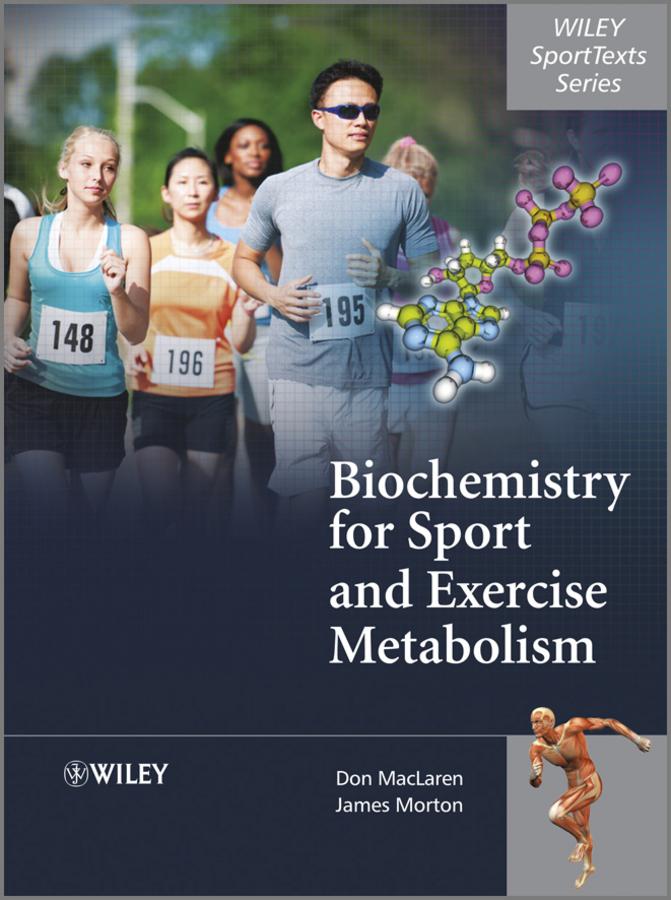
The book opens with some basic information on the subject, including an overview of energy metabolism, some key aspects of skeletal muscle structure and function, and some simple biochemical concepts. It continues by looking at the three macromolecules which provide energy and structure to skeletal muscle - carbohydrates, lipids, and protein. The last section moves beyond biochemistry to examine key aspects of metabolism - the regulation of energy production and storage. Beginning with a chapter on basic principles of regulation of metabolism it continues by exploring how metabolism is influenced during high-intensity, prolonged, and intermittent exercise by intensity, duration, and nutrition.
Key Features:
- A clearly written, well presented introduction to the biochemistry of muscle metabolism.
- Focuses on sport to describe the relevant biochemistry within this context.
- In full colour throughout, it includes numerous illustrations, together with learning objectives and key points to reinforce learning.
Biochemistry for Sport and Exercise Metabolism will prove invaluable to students across a range of sport-related courses, who need to get to grips with how exercise mode, intensity, duration, training status and nutritional status can all affect the regulation of energy producing pathways and, more important, apply this understanding to develop training and nutrition programmes to maximise athletic performance.
Betaal eenvoudig met kaart, Klarna, Apple Pay of Google Pay. Niet tevreden? Je hebt altijd 14 dagen bedenktijd. Lees meer in onze voorwaarden. Heb je vragen, mail ons dan via hello@memmo.org.
Memmo maakt studeren makkelijker – waar je ook bent ter wereld. Wij brengen je cursusboeken en slimme studietools samen op één plek: samenvattingen, quizzen, podcasts en flashcards. En Ted, je studievriend die antwoord geeft op alles wat je je afvraagt. Meer dan 50.000 studenten studeren hier al – gebouwd om je sneller te laten leren en minder stress te geven.