
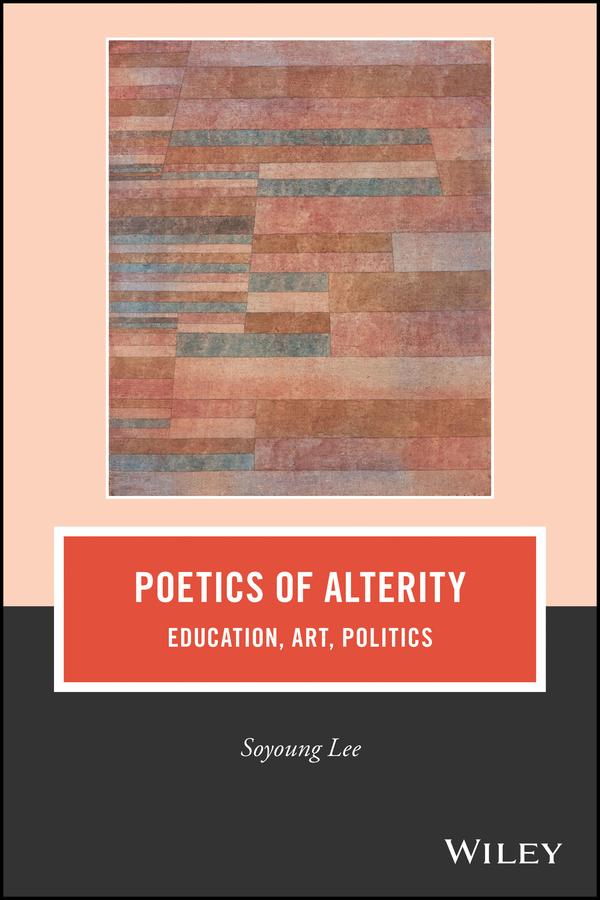
Education today is commonly oriented towards citizenship and skills for life, with aims of happiness and wellbeing. But this benign image harbours surreptitious forms of control, which ultimately undermine the goods it professes to safeguard and stifle education’s very purpose. What release can there be from these constrictions? Release is to be found, as Soyoung Lee eloquently shows, by attending to elements of experience that seem to escape our grip, from challenging aspects of our moral lives to struggles over practicalities of curriculum content. The more robust, more outward-turning orientation she demonstrates emphasises engagement with subject-matter, with problems and forms of narrative, that defy pre-determined formulations and categories. This requires turning towards objects worthy of attention and towards people and their claims on us. The arts and the humanities have special importance as spaces where alterity presents and expresses itself. Lee’s dialogue with Heidegger, Levinas, Derrida, and Celan shows how acknowledgement of the other must condition not only practices of teaching and learning but practicalities of our social and political lives. Attending to anxieties inherent in teaching and learning, in school and the wider world, the book’s powerful rationale for the curriculum provides nothing less than a new grounding for the humanities.
Betaal eenvoudig met kaart, Klarna, Apple Pay of Google Pay. Niet tevreden? Je hebt altijd 14 dagen bedenktijd. Lees meer in onze voorwaarden. Heb je vragen, mail ons dan via hello@memmo.org.
Memmo maakt studeren makkelijker – waar je ook bent ter wereld. Wij brengen je cursusboeken en slimme studietools samen op één plek: samenvattingen, quizzen, podcasts en flashcards. En Ted, je studievriend die antwoord geeft op alles wat je je afvraagt. Meer dan 50.000 studenten studeren hier al – gebouwd om je sneller te laten leren en minder stress te geven.