
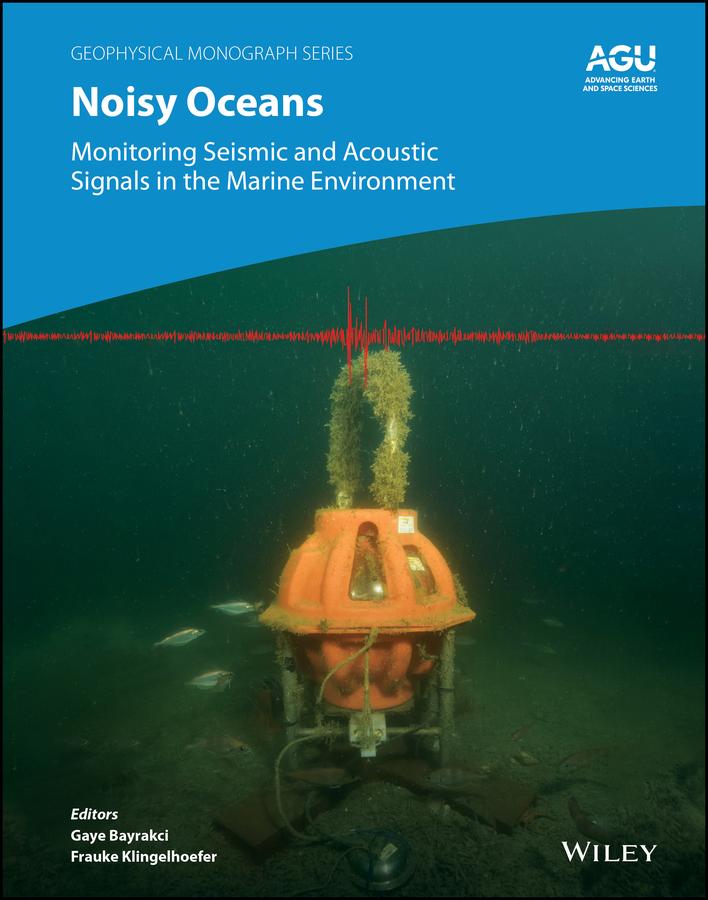
A comprehensive review of the sources and impacts of different types of marine noise
Measuring devices such as ocean bottom seismometers and hydrophones designed to detect earthquakes pick up many other signals. These were previously ignored as background noise from unknown sources, but advanced technology now allows insights into the noise created from icebergs, ships, hydrothermal vents, whales, rain, marine engineering, and more.
Noisy Oceans: Monitoring Seismic and Acoustic Signals in the Marine Environment is a comprehensive guide to non-tectonic marine noise originating from different environmental, biological, and anthropogenic sources.
Volume highlights include:
- Overview of marine soundscapes and their sources
- Existing and new methods for studying acoustic signals
- Case studies from around the world
- Spans disciplines from geology and geophysicists to biology
- Explores the impacts and implications of marine noise
The American Geophysical Union promotes discovery in Earth and space science for the benefit of humanity. Its publications disseminate scientific knowledge and provide resources for researchers, students, and professionals.
Betaal eenvoudig met kaart, Klarna, Apple Pay of Google Pay. Niet tevreden? Je hebt altijd 14 dagen bedenktijd. Lees meer in onze voorwaarden. Heb je vragen, mail ons dan via hello@memmo.org.
Memmo maakt studeren makkelijker – waar je ook bent ter wereld. Wij brengen je cursusboeken en slimme studietools samen op één plek: samenvattingen, quizzen, podcasts en flashcards. En Ted, je studievriend die antwoord geeft op alles wat je je afvraagt. Meer dan 50.000 studenten studeren hier al – gebouwd om je sneller te laten leren en minder stress te geven.