
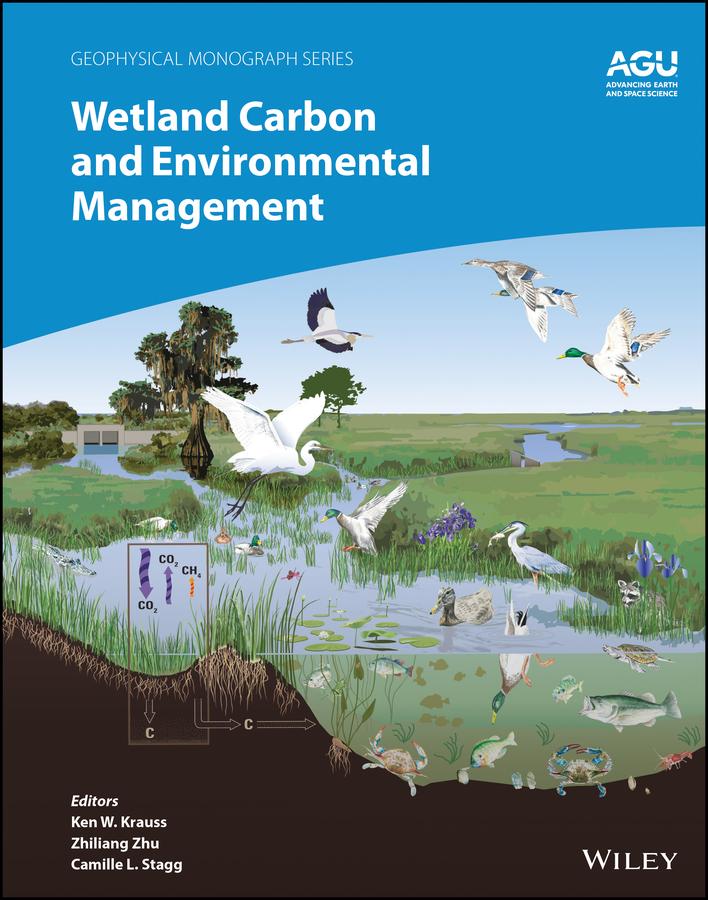
Explores how the management of wetlands can influence carbon storage and fluxes.
Wetlands are vital natural assets, including their ability to take-up atmospheric carbon and restrict subsequent carbon loss to facilitate long-term storage. They can be deliberately managed to provide a natural solution to mitigate climate change, as well as to help offset direct losses of wetlands from various land-use changes and natural drivers.
Wetland Carbon and Environmental Management presents a collection of wetland research studies from around the world to demonstrate how environmental management can improve carbon sequestration while enhancing wetland health and function.
Volume highlights include:
- Overview of carbon storage in the landscape
- Introduction to wetland management practices
- Comparisons of natural, managed, and converted wetlands
- Impact of wetland management on carbon storage or loss
- Techniques for scientific assessment of wetland carbon processes
- Case studies covering tropical, coastal, inland, and northern wetlands
- Primer for carbon offset trading programs and how wetlands might contribute
The American Geophysical Union promotes discovery in Earth and space science for the benefit of humanity. Its publications disseminate scientific knowledge and provide resources for researchers, students, and professionals.
Betaal eenvoudig met kaart, Klarna, Apple Pay of Google Pay. Niet tevreden? Je hebt altijd 14 dagen bedenktijd. Lees meer in onze voorwaarden. Heb je vragen, mail ons dan via hello@memmo.org.
Memmo maakt studeren makkelijker – waar je ook bent ter wereld. Wij brengen je cursusboeken en slimme studietools samen op één plek: samenvattingen, quizzen, podcasts en flashcards. En Ted, je studievriend die antwoord geeft op alles wat je je afvraagt. Meer dan 50.000 studenten studeren hier al – gebouwd om je sneller te laten leren en minder stress te geven.