
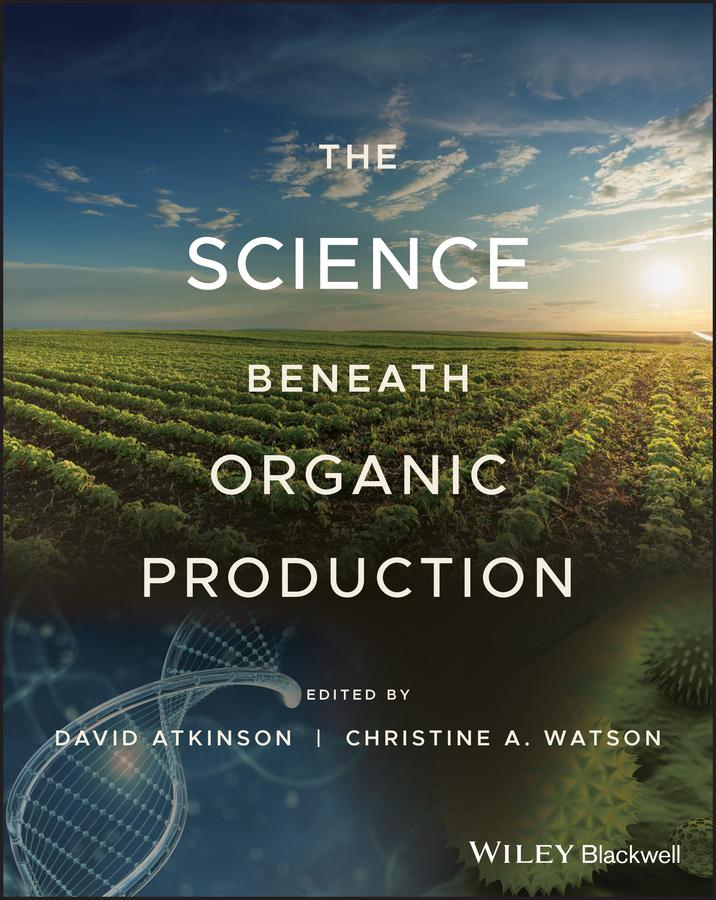
A groundbreaking book that addresses the science that underpins organic agriculture and horticulture and its impact upon the management of organic systems
With contributions from noted experts in the field, Organic Agriculture explores the cultural context of food production and examines the historical aspects, economic implications, and key scientific elements that underpin organic crop production. The book shows how a science-based approach to organic farming is grounded in history and elements of the social sciences as well as the more traditional areas of physics, chemistry and biology.
Organic Agriculture offers a detailed explanation of the differences between organic systems and other approaches, answering questions about crop production and protection, crop rotations, soil health, biodiversity and the use of genetic resources. The authors identify current gaps in our understanding of the topic and discuss how organic farming research may be better accomplished in the future. This important book:
- Explores the science that underpins organic farming
- Contains illustrative case studies from around the world
- Examines organic agriculture’s philosophical roots and its socio-economic context
Written for scientists and students of agriculture and horticulture, this book covers the issues linked to the use of science by organic producers and identifies key elements in the production of food.
Betaal eenvoudig met kaart, Klarna, Apple Pay of Google Pay. Niet tevreden? Je hebt altijd 14 dagen bedenktijd. Lees meer in onze voorwaarden. Heb je vragen, mail ons dan via hello@memmo.org.
Memmo maakt studeren makkelijker – waar je ook bent ter wereld. Wij brengen je cursusboeken en slimme studietools samen op één plek: samenvattingen, quizzen, podcasts en flashcards. En Ted, je studievriend die antwoord geeft op alles wat je je afvraagt. Meer dan 50.000 studenten studeren hier al – gebouwd om je sneller te laten leren en minder stress te geven.