
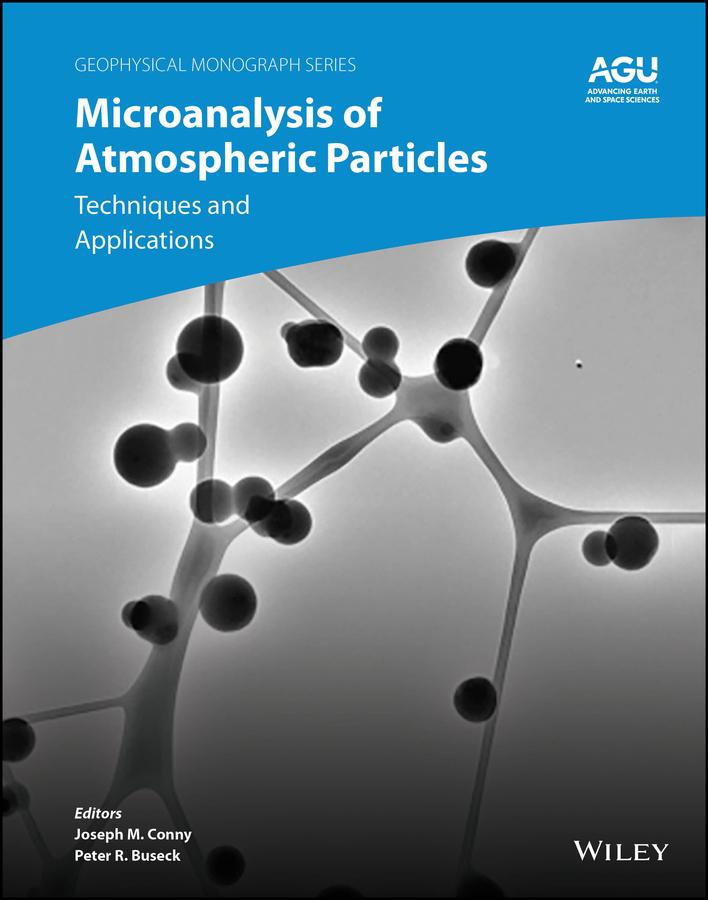
Studying atmospheric particles from a microscopic perspective
Most of what is visible in the atmosphere—such as pollution, dust, haze, fog, and clouds—is due to micrometer- and nanometer-sized aerosol particles. It is important to understand the source, characteristics, and behavior of these small particles as they play a fundamental role in large-scale atmospheric processes.
Microanalysis of Atmospheric Particles: Techniques and Applications presents different microscopic techniques for studying aerosols and explores a range of applications in climate studies and air quality studies.
Volume highlights include:
- Overview of different techniques and applications
- In-depth descriptions of scanning electron microscopy, transmission electron microscopy, electron energy loss spectroscopy, Raman microspectroscopy, and atomic force microscopy
- Techniques for studying physical characteristics and chemical composition
- Methods to examine particle transformation
- Examples including soot, organic aerosols, ice crystals, and sea spray
- Applications for global and regional climate change and urban air quality
The American Geophysical Union promotes discovery in Earth and space science for the benefit of humanity. Its publications disseminate scientific knowledge and provide resources for researchers, students, and professionals.
Betaal eenvoudig met kaart, Klarna, Apple Pay of Google Pay. Niet tevreden? Je hebt altijd 14 dagen bedenktijd. Lees meer in onze voorwaarden. Heb je vragen, mail ons dan via hello@memmo.org.
Memmo maakt studeren makkelijker – waar je ook bent ter wereld. Wij brengen je cursusboeken en slimme studietools samen op één plek: samenvattingen, quizzen, podcasts en flashcards. En Ted, je studievriend die antwoord geeft op alles wat je je afvraagt. Meer dan 50.000 studenten studeren hier al – gebouwd om je sneller te laten leren en minder stress te geven.