
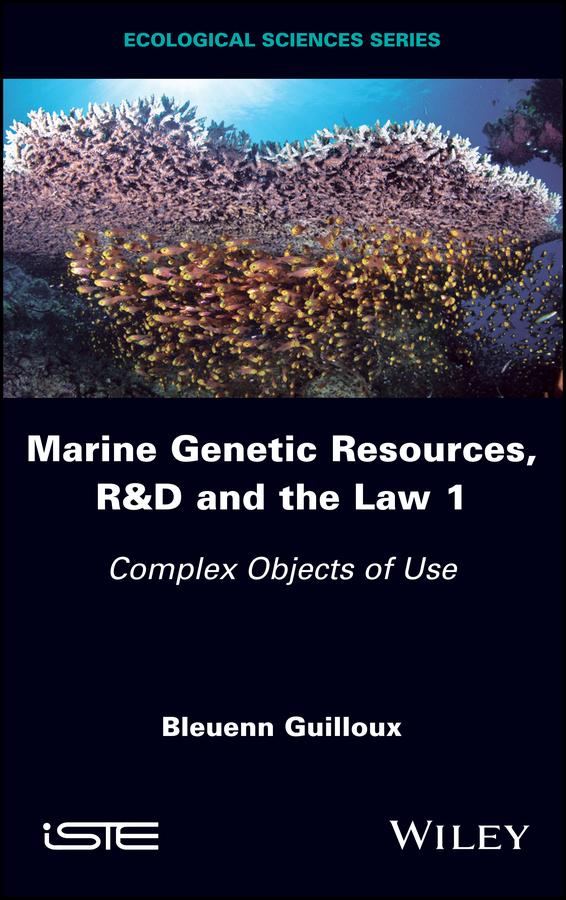
Advances in research and development reveal the immense diversity and potential of marine genetic resources. Under international law, no specific regime applies to these complex and paradoxical objects of use. The Law of the Sea Convention sets a framework that is partly inadequate for this new category of resources. The Biodiversity Convention and the Nagoya Protocol only address the genetic resources of national areas. Patents allow their holder to exercise a monopoly on exploiting biotechnological creations to extensive claims, questioning the common nature of biodiversity and related knowledge. They hinder research and the objectives of biodiversity law. The legal and practical rules of physical and functional access vary in geometry. They focus on the valorization of research results, crystallizing conflicts of interest between suppliers and users. Sustainable research and development is essential to the knowledge and protection of marine biodiversity. The qualification of marine genetic resources in common, standard contractual tools, distributed research and development infrastructures, negotiation of an agreement on sustainable use and conservation of biodiversity beyond the limits of national jurisdiction, would To remove these inconsistencies.
Pagina's: 302
Categorie: Juridik
e-ISBN: 9781119528166
Verzendgewicht: 1.2 kg
Verzending binnen: 1-2 dagen
Betaal eenvoudig met kaart, Klarna, Apple Pay of Google Pay. Niet tevreden? Je hebt altijd 14 dagen bedenktijd. Lees meer in onze voorwaarden. Heb je vragen, mail ons dan via hello@memmo.org.
Memmo maakt studeren makkelijker – waar je ook bent ter wereld. Wij brengen je cursusboeken en slimme studietools samen op één plek: samenvattingen, quizzen, podcasts en flashcards. En Ted, je studievriend die antwoord geeft op alles wat je je afvraagt. Meer dan 50.000 studenten studeren hier al – gebouwd om je sneller te laten leren en minder stress te geven.