
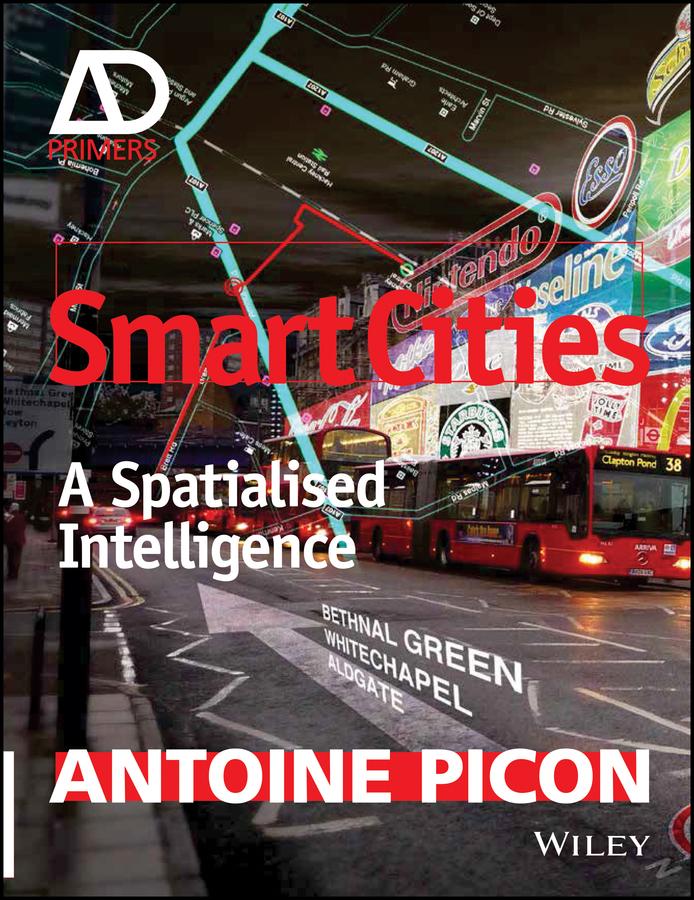
As cities compete globally, the Smart City has been touted as the important new strategic driver for regeneration and growth. Smart Cities are employing information and communication technologies in the quest for sustainable economic development and the fostering of new forms of collective life. This has made the Smart City an essential focus for engineers, architects, urban designers, urban planners, and politicians, as well as businesses such as CISCO, IBM and Siemens. Despite its broad appeal, few comprehensive books have been devoted to the subject so far, and even fewer have tried to relate it to cultural issues and to assume a truly critical stance by trying to decipher its consequences on urban space and experience. This cultural and critical lens is all the more important as the Smart City is as much an ideal permeated by Utopian beliefs as a concrete process of urban transformation. This ideal possesses a strong self-fulfilling character: our cities will become 'Smart' because we want them to.
This book opens with an examination of the technological reality on which Smart Cities are built, from the chips and sensors that enable us to monitor what happens within the infrastructure to the smartphones that connect individuals. Through these technologies, the urban space appears as activated, almost sentient. This activation generates two contrasting visions: on the one hand, a neo-cybernetic ambition to steer the city in the most efficient way; and on the other, a more bottom-up, participative approach in which empowered individuals invent new modes of cooperation. A thorough analysis of these two trends reveals them to be complementary. The Smart City of the near future will result from their mutual adjustment. In this process, urban space plays a decisive role. Smart Cities are contemporary with a 'spatial turn' of the digital. Based on key technological developments like geo-localisation and augmented reality, the rising importance of space explains the strategic role of mapping in the evolution of the urban experience. Throughout this exploration of some of the key dimensions of the Smart City, this book constantly moves from the technological to the spatial as well as from a critical assessment of existing experiments to speculations on the rise of a new form of collective intelligence. In the future, cities will become smarter in a much more literal way than what is often currently assumed.
Betaal eenvoudig met kaart, Klarna, Apple Pay of Google Pay. Niet tevreden? Je hebt altijd 14 dagen bedenktijd. Lees meer in onze voorwaarden. Heb je vragen, mail ons dan via hello@memmo.org.
Memmo maakt studeren makkelijker – waar je ook bent ter wereld. Wij brengen je cursusboeken en slimme studietools samen op één plek: samenvattingen, quizzen, podcasts en flashcards. En Ted, je studievriend die antwoord geeft op alles wat je je afvraagt. Meer dan 50.000 studenten studeren hier al – gebouwd om je sneller te laten leren en minder stress te geven.