
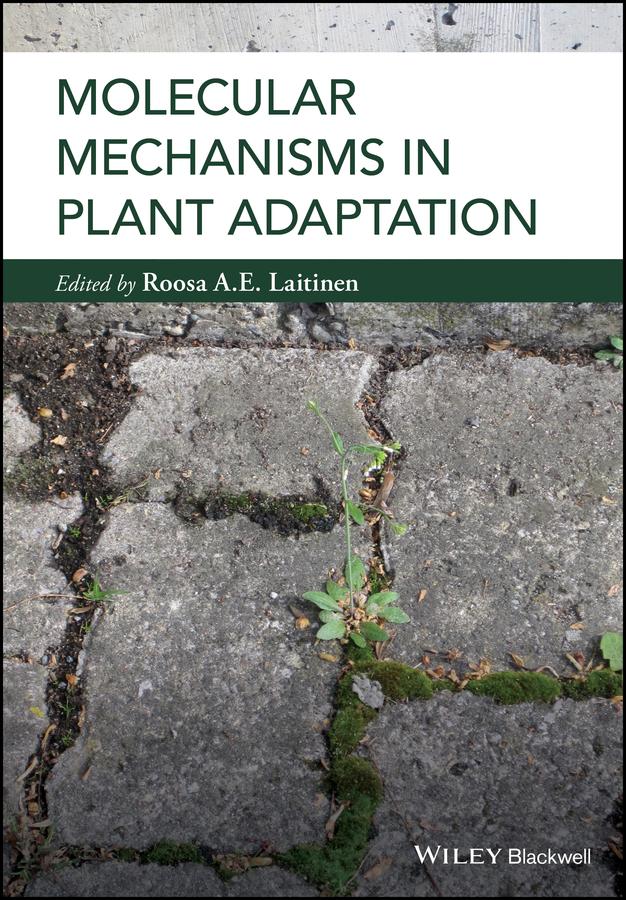
Plants are forced to adapt for a variety of reasons— protection, reproductive viability, and environmental and climatic changes. Computational tools and molecular advances have provided researchers with significant new insights into the molecular basis of plant adaptation. Molecular Mechanisms in Plant Adaptation provides a comprehensive overview of a wide variety of these different mechanisms underlying adaptation to these challenges to plant survival.
Molecular Mechanisms in Plant Adaptation opens with a chapter that explores the latest technological advances used in plant adaptation research, providing readers with an overview of high-throughput technologies and their applications. The chapters that follow cover the latest developments on using natural variation to dissect genetic, epigenetic and metabolic responses of plant adaptation. Subsequent chapters describe plant responses to biotic and abiotic stressors and adaptive reproductive strategies. Emerging topics such as secondary metabolism, small RNA mediated regulation as well as cell type specific responses to stresses are given special precedence. The book ends with chapters introducing computational approaches to study adaptation and focusing on how to apply laboratory findings to field studies and breeding programs.
Molecular Mechanisms in Plant Adaptation interest plant molecular biologists and physiologists, plant stress biologists, plant geneticists and advanced plant biology students.Betaal eenvoudig met kaart, Klarna, Apple Pay of Google Pay. Niet tevreden? Je hebt altijd 14 dagen bedenktijd. Lees meer in onze voorwaarden. Heb je vragen, mail ons dan via hello@memmo.org.
Memmo maakt studeren makkelijker – waar je ook bent ter wereld. Wij brengen je cursusboeken en slimme studietools samen op één plek: samenvattingen, quizzen, podcasts en flashcards. En Ted, je studievriend die antwoord geeft op alles wat je je afvraagt. Meer dan 50.000 studenten studeren hier al – gebouwd om je sneller te laten leren en minder stress te geven.