
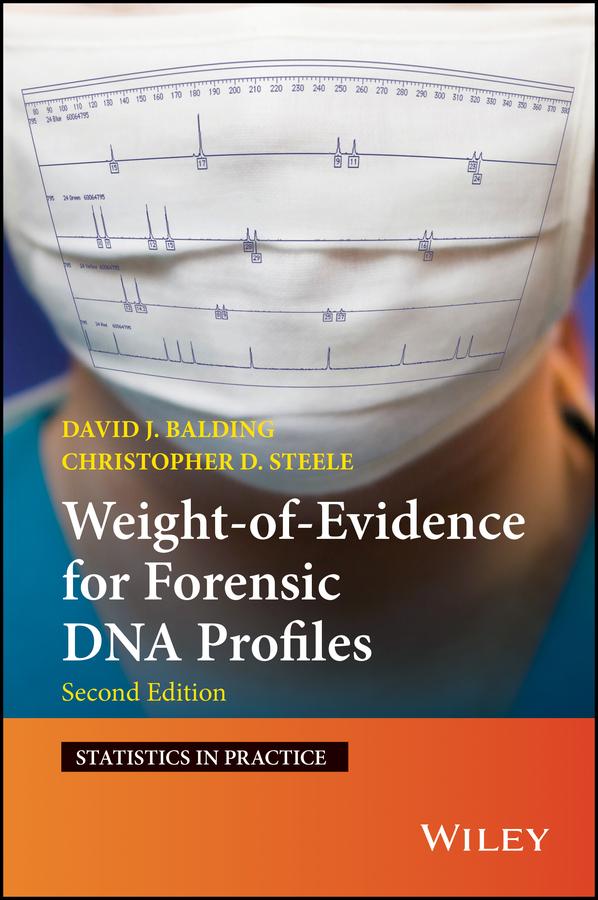
DNA evidence is widely used in the modern justice system. Statistical methodology plays a key role in ensuring that this evidence is collected, interpreted, analysed and presented correctly. This book is a guide to assessing DNA evidence and presenting that evidence in a courtroom setting. It offers practical guidance to forensic scientists with little dependence on mathematical ability, and provides the scientist with the understanding they require to apply the methods in their work. Since the publication of the first edition of this book in 2005 there have been many incremental changes, and one dramatic change which is the emergence of low template DNA (LTDNA) profiles. This second edition is edited and expanded to cover the basics of LTDNA technology. The author's own open-source R code likeLTD is described and used for worked examples in the book. Commercial and free software are also covered.
Betaal eenvoudig met kaart, Klarna, Apple Pay of Google Pay. Niet tevreden? Je hebt altijd 14 dagen bedenktijd. Lees meer in onze voorwaarden. Heb je vragen, mail ons dan via hello@memmo.org.
Memmo maakt studeren makkelijker – waar je ook bent ter wereld. Wij brengen je cursusboeken en slimme studietools samen op één plek: samenvattingen, quizzen, podcasts en flashcards. En Ted, je studievriend die antwoord geeft op alles wat je je afvraagt. Meer dan 50.000 studenten studeren hier al – gebouwd om je sneller te laten leren en minder stress te geven.