
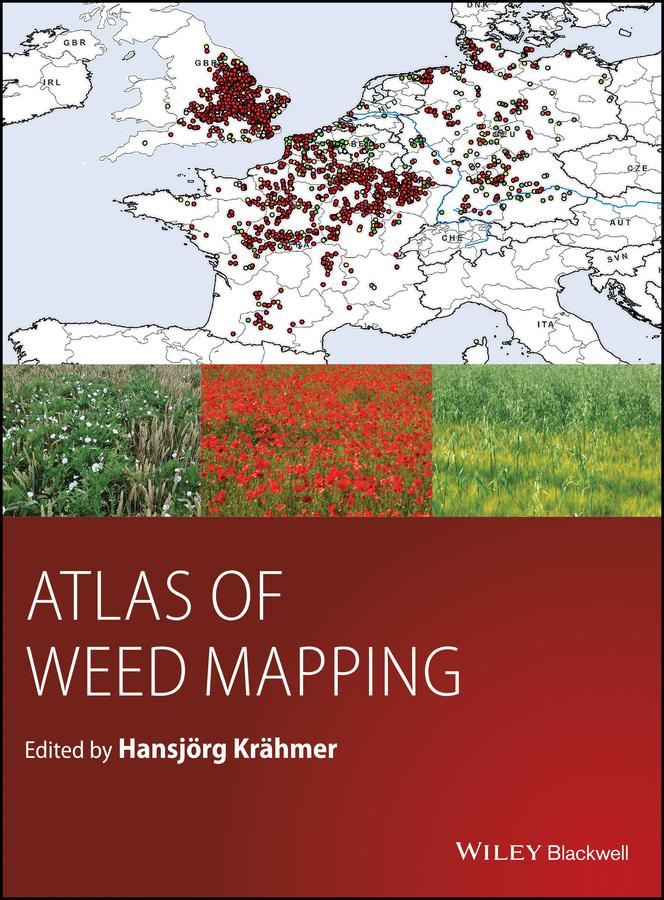
Weeds are variously defined as plants growing where they are not wanted, plants that interfere with human activity. Weeds affect everyone in the world by reducing crop yield and quality, delaying or interfering with harvesting, interfering with animal feeding, reducing animal health, preventing water flow, as plant parasites, etc. It is estimated that those problems cause $ billions worth of crop losses annually and the global cost of controlling weeds also runs into many $ billions every year.
Atlas of Weed Mapping presents an introductory overview on the occurrence of the most common weeds of the world. The book notably includes:
- Description of cropping practices and explanations for the global distribution of weeds
- Invasive plant mapping
- Aquatics and wetland plants with histological plant details
- Theoretical and practical aspects of weed mapping
- Aspects on the documentation of herbicide resistance
- Biodiversity, rare weeds and the dominance of the most common weeds
Fully illustrated with more than 800 coloured figures and a number of tables, this new characterisation of anthropogenic vegetation will be interesting for readers of a great number of disciplines such as agriculture, botany, ecology, geobotany and plant community research. More than a hundred experts have contributed data to this unique compilation.
Betaal eenvoudig met kaart, Klarna, Apple Pay of Google Pay. Niet tevreden? Je hebt altijd 14 dagen bedenktijd. Lees meer in onze voorwaarden. Heb je vragen, mail ons dan via hello@memmo.org.
Memmo maakt studeren makkelijker – waar je ook bent ter wereld. Wij brengen je cursusboeken en slimme studietools samen op één plek: samenvattingen, quizzen, podcasts en flashcards. En Ted, je studievriend die antwoord geeft op alles wat je je afvraagt. Meer dan 50.000 studenten studeren hier al – gebouwd om je sneller te laten leren en minder stress te geven.