
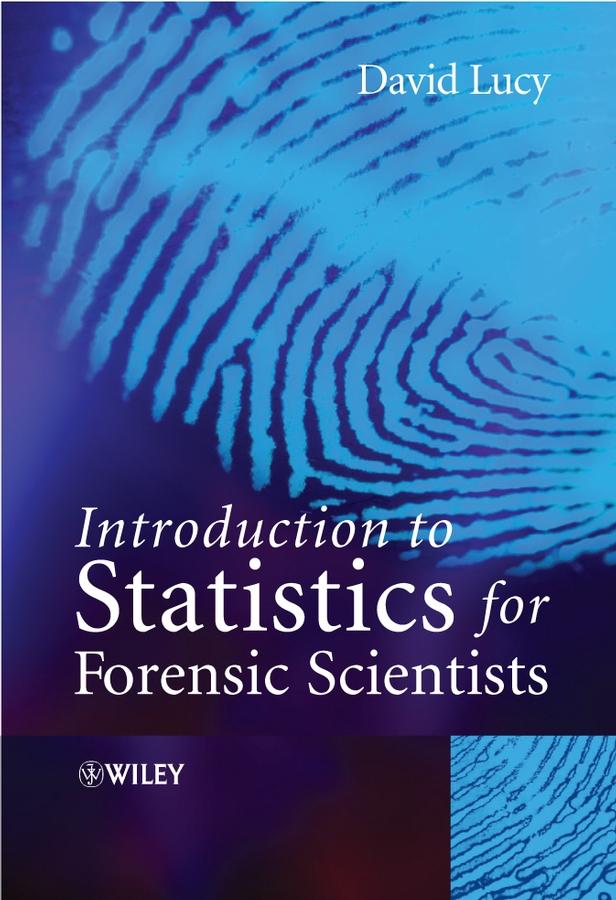
Introduction to Statistics for Forensic Scientists is an essential introduction to the subject, gently guiding the reader through the key statistical techniques used to evaluate various types of forensic evidence. Assuming only a modest mathematical background, the book uses real-life examples from the forensic science literature and forensic case-work to illustrate relevant statistical concepts and methods.
Opening with a brief overview of the history and use of statistics within forensic science, the text then goes on to introduce statistical techniques commonly used to examine data obtained during laboratory experiments. There is a strong emphasis on the evaluation of scientific observation as evidence and modern Bayesian approaches to interpreting forensic data for the courts. The analysis of key forms of evidence are discussed throughout with a particular focus on DNA, fibres and glass.
An invaluable introduction to the statistical interpretation of forensic evidence; this book will be invaluable for all undergraduates taking courses in forensic science.
- Introduction to the key statistical techniques used in the evaluation of forensic evidence
- Includes end of chapter exercises to enhance student understanding
- Numerous examples taken from forensic science to put the subject into context
Betaal eenvoudig met kaart, Klarna, Apple Pay of Google Pay. Niet tevreden? Je hebt altijd 14 dagen bedenktijd. Lees meer in onze voorwaarden. Heb je vragen, mail ons dan via hello@memmo.org.
Memmo maakt studeren makkelijker – waar je ook bent ter wereld. Wij brengen je cursusboeken en slimme studietools samen op één plek: samenvattingen, quizzen, podcasts en flashcards. En Ted, je studievriend die antwoord geeft op alles wat je je afvraagt. Meer dan 50.000 studenten studeren hier al – gebouwd om je sneller te laten leren en minder stress te geven.