
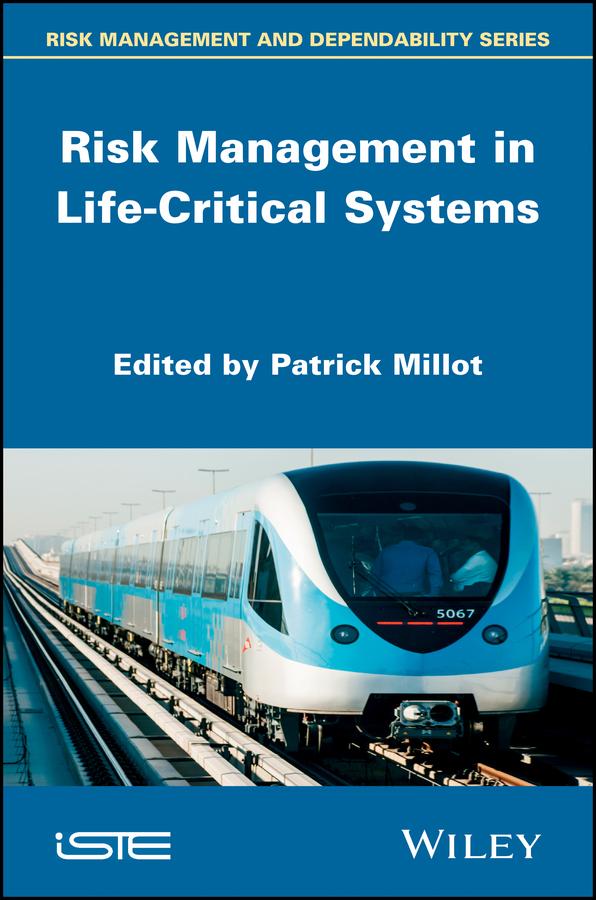
Risk management deals with prevention, decision-making, action taking, crisis management and recovery, taking into account the consequences of unexpected events. The authors of this book are interested in ecological processes, human behavior, as well as the control and management of life-critical systems, which are potentially highly automated. Three main attributes define life-critical systems, i.e. safety, efficiency and comfort. They typically lead to complex and time-critical issues and can belong to domains such as transportation (trains, cars, aircraft), energy (nuclear, chemical engineering), health, telecommunications, manufacturing and services.
The topics covered relate to risk management principles, methods and tools, and reliability assessment: human errors as well as system failures, socio-organizational issues of crisis occurrence and management, co-operative work including human−machine cooperation and CSCW (computer-supported cooperative work): task and function allocation, authority sharing, interactivity, situation awareness, networking and management evolution and lessons learned from Human-Centered Design.
Betaal eenvoudig met kaart, Klarna, Apple Pay of Google Pay. Niet tevreden? Je hebt altijd 14 dagen bedenktijd. Lees meer in onze voorwaarden. Heb je vragen, mail ons dan via hello@memmo.org.
Memmo maakt studeren makkelijker – waar je ook bent ter wereld. Wij brengen je cursusboeken en slimme studietools samen op één plek: samenvattingen, quizzen, podcasts en flashcards. En Ted, je studievriend die antwoord geeft op alles wat je je afvraagt. Meer dan 50.000 studenten studeren hier al – gebouwd om je sneller te laten leren en minder stress te geven.