
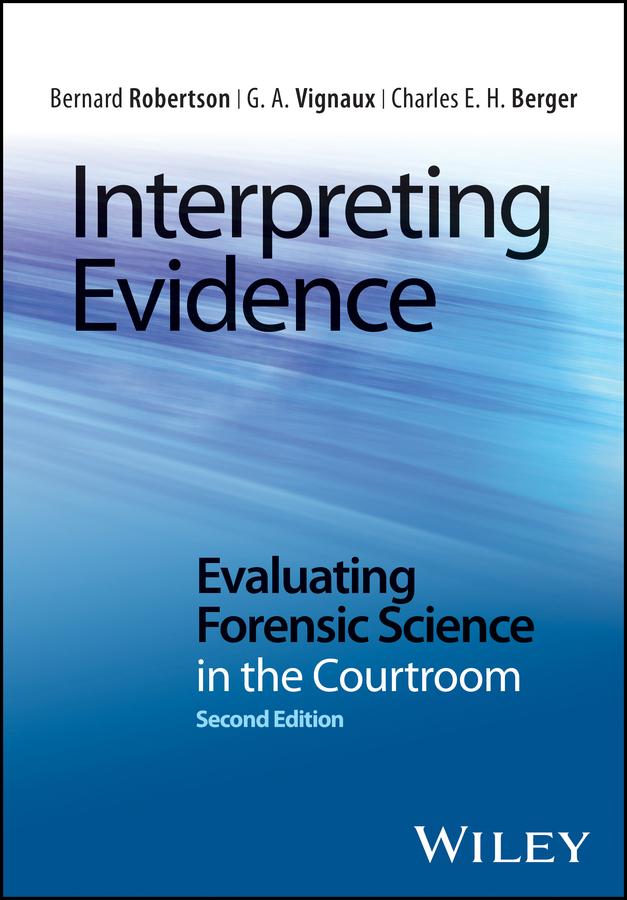
This book explains the correct logical approach to analysis of forensic scientific evidence. The focus is on general methods of analysis applicable to all forms of evidence. It starts by explaining the general principles and then applies them to issues in DNA and other important forms of scientific evidence as examples. Like the first edition, the book analyses real legal cases and judgments rather than hypothetical examples and shows how the problems perceived in those cases would have been solved by a correct logical approach. The book is written to be understood both by forensic scientists preparing their evidence and by lawyers and judges who have to deal with it. The analysis is tied back both to basic scientific principles and to the principles of the law of evidence. This book will also be essential reading for law students taking evidence or forensic science papers and science students studying the application of their scientific specialisation to forensic questions.
Betaal eenvoudig met kaart, Klarna, Apple Pay of Google Pay. Niet tevreden? Je hebt altijd 14 dagen bedenktijd. Lees meer in onze voorwaarden. Heb je vragen, mail ons dan via hello@memmo.org.
Memmo maakt studeren makkelijker – waar je ook bent ter wereld. Wij brengen je cursusboeken en slimme studietools samen op één plek: samenvattingen, quizzen, podcasts en flashcards. En Ted, je studievriend die antwoord geeft op alles wat je je afvraagt. Meer dan 50.000 studenten studeren hier al – gebouwd om je sneller te laten leren en minder stress te geven.