
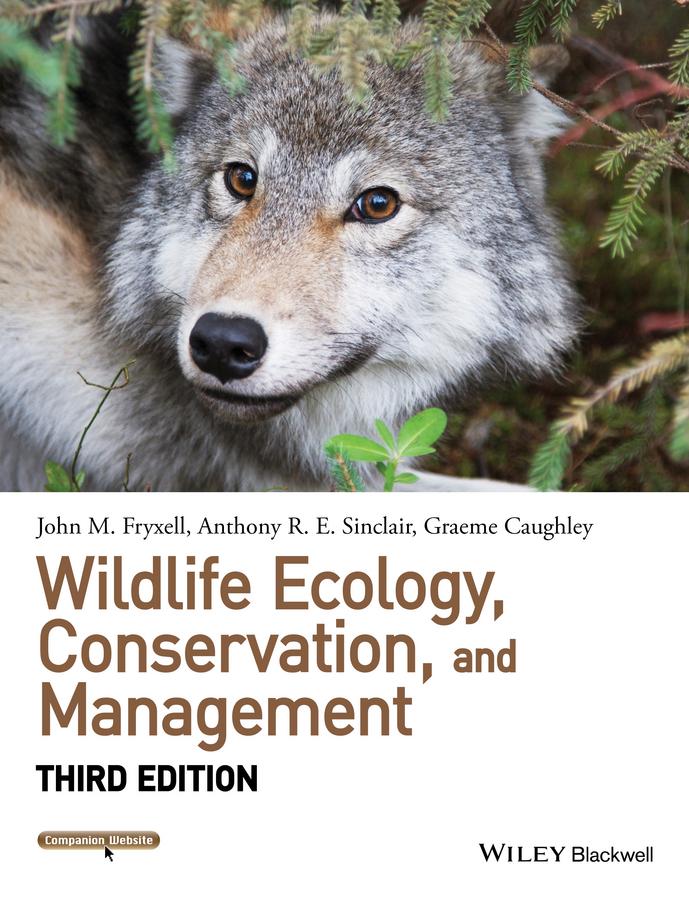
To understand modern principles of sustainable management and the conservation of wildlife species requires intimate knowledge about demography, animal behavior, and ecosystem dynamics. With emphasis on practical application and quantitative skill development, this book weaves together these disparate elements in a single coherent textbook for senior undergraduate and graduate students. It reviews analytical techniques, explaining the mathematical and statistical principles behind them, and shows how these can be used to formulate realistic objectives within an ecological framework.
This third edition is comprehensive and up-to-date, and includes:
- Brand new chapters that disseminate rapidly developing topics in the field: habitat use and selection; habitat fragmentation, movement, and corridors; population viability. analysis, the consequences of climate change; and evolutionary responses to disturbance
- A thorough updating of all chapters to present important areas of wildlife research and management with recent developments and examples.
- A new online study aid ? a wide variety of downloadable computer programs in the freeware packages R and Mathcad, available through a companion website. Worked examples enable readers to practice calculations explained in the text and to develop a solid understanding of key statistical procedures and population models commonly used in wildlife ecology and management.
Betaal eenvoudig met kaart, Klarna, Apple Pay of Google Pay. Niet tevreden? Je hebt altijd 14 dagen bedenktijd. Lees meer in onze voorwaarden. Heb je vragen, mail ons dan via hello@memmo.org.
Memmo maakt studeren makkelijker – waar je ook bent ter wereld. Wij brengen je cursusboeken en slimme studietools samen op één plek: samenvattingen, quizzen, podcasts en flashcards. En Ted, je studievriend die antwoord geeft op alles wat je je afvraagt. Meer dan 50.000 studenten studeren hier al – gebouwd om je sneller te laten leren en minder stress te geven.