
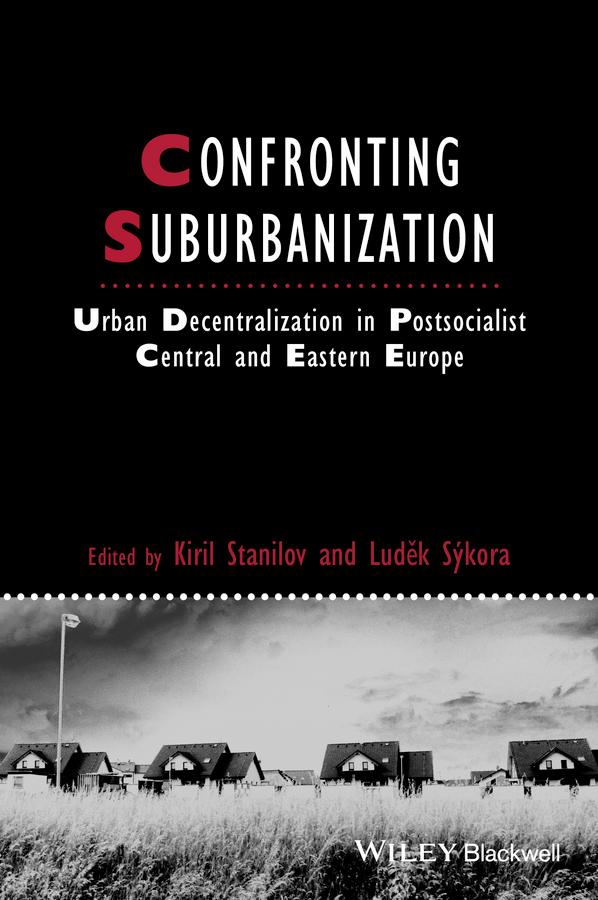
This fascinating book explains the processes of suburbanization in the context of post-socialist societies transitioning from one system of socio-spatial order to another. Case studies of seven Central and Eastern Europe city regions illuminate growth patterns and key conditions for the emergence of sprawl.
- Breaks new ground, offering a systematic approach to the analysis of the global phenomenon of suburbanization in a post-socialist context
- Tracks the boom of the post-socialist suburbs in seven CEE capital city regions – Budapest, Ljubljana, Moscow, Prague, Sofia, Tallinn, and Warsaw
- Situates the experience of the CEE countries in the broader context of global urban change
- Case studies examine the phenomenon of suburbanization along four main vectors of analysis related to development patterns, driving forces, consequences and impacts, and management of suburbanization
- Highlights the critical importance of public policies and planning on the spread of suburbanization
Betaal eenvoudig met kaart, Klarna, Apple Pay of Google Pay. Niet tevreden? Je hebt altijd 14 dagen bedenktijd. Lees meer in onze voorwaarden. Heb je vragen, mail ons dan via hello@memmo.org.
Memmo maakt studeren makkelijker – waar je ook bent ter wereld. Wij brengen je cursusboeken en slimme studietools samen op één plek: samenvattingen, quizzen, podcasts en flashcards. En Ted, je studievriend die antwoord geeft op alles wat je je afvraagt. Meer dan 50.000 studenten studeren hier al – gebouwd om je sneller te laten leren en minder stress te geven.