
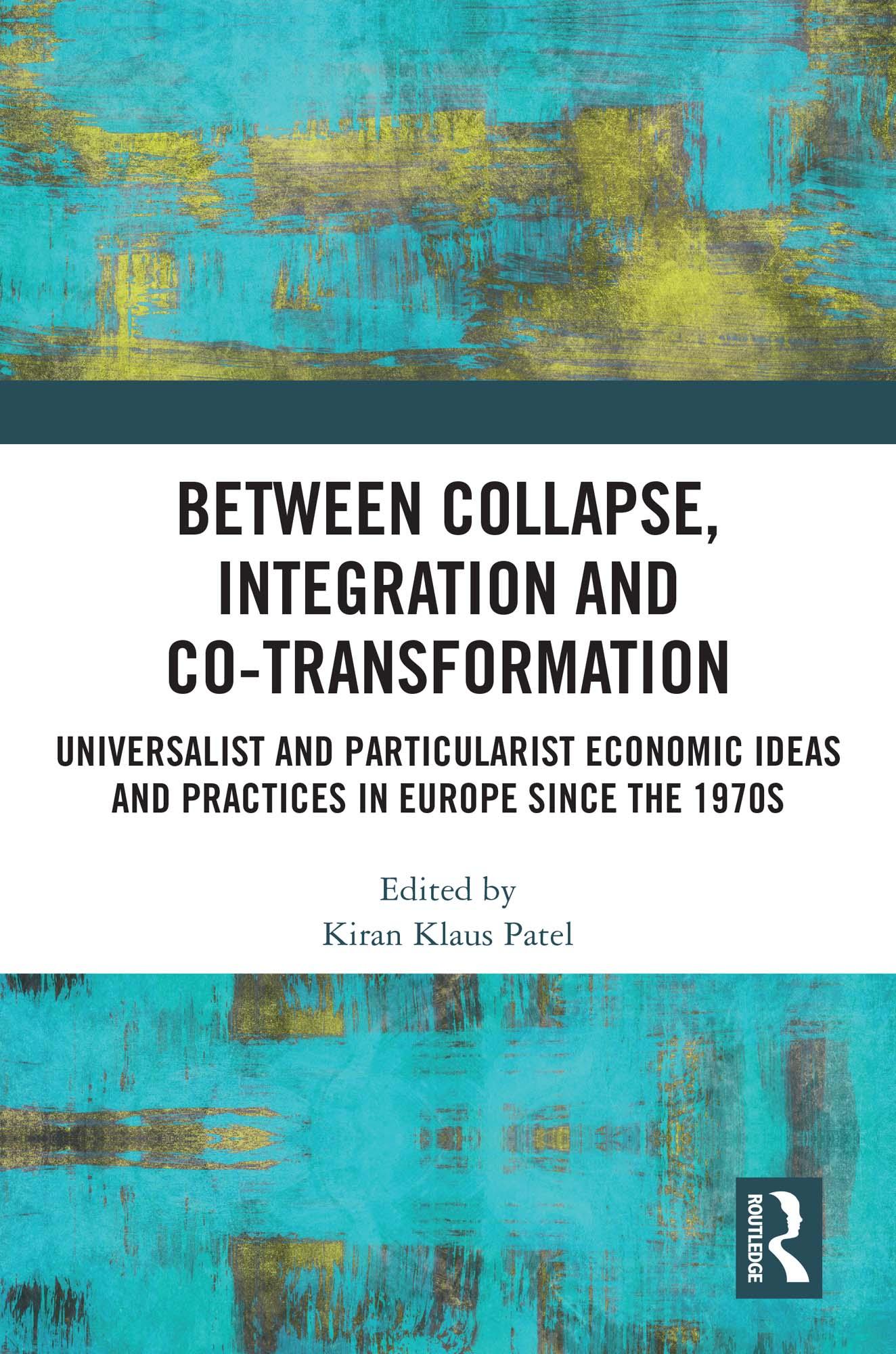
This book comprises a collection of essays that delves into the economic history of Europe since the 1970s, offering a fresh perspective on the period by examining the interplay between universalist and particularist claims to validity. By exploring how these claims were constructed, justified, and contested, this book sheds new light on the ways they shaped political and social change in contemporary European history. Through a critical analysis of the economy as a dynamic field, the essays uncover the complexities of universalist and particularist concepts, their interactions, and the tensions they generate, providing a nuanced understanding of their role in shaping modern Europe.
Focusing on the intersection of economic history, political theory, and social change, this book will appeal to students, scholars, and readers interested in European history, economic thought, and the evolution of contemporary political ideologies. It is particularly relevant for those studying the historical roots of current debates on globalization, identity, and the challenges to universalist ideals in an increasingly fragmented world.
The chapters in this book were originally published as a special issue of the European Review of History.
Betaal eenvoudig met kaart, Klarna, Apple Pay of Google Pay. Niet tevreden? Je hebt altijd 14 dagen bedenktijd. Lees meer in onze voorwaarden. Heb je vragen, mail ons dan via hello@memmo.org.
Memmo maakt studeren makkelijker – waar je ook bent ter wereld. Wij brengen je cursusboeken en slimme studietools samen op één plek: samenvattingen, quizzen, podcasts en flashcards. En Ted, je studievriend die antwoord geeft op alles wat je je afvraagt. Meer dan 50.000 studenten studeren hier al – gebouwd om je sneller te laten leren en minder stress te geven.