
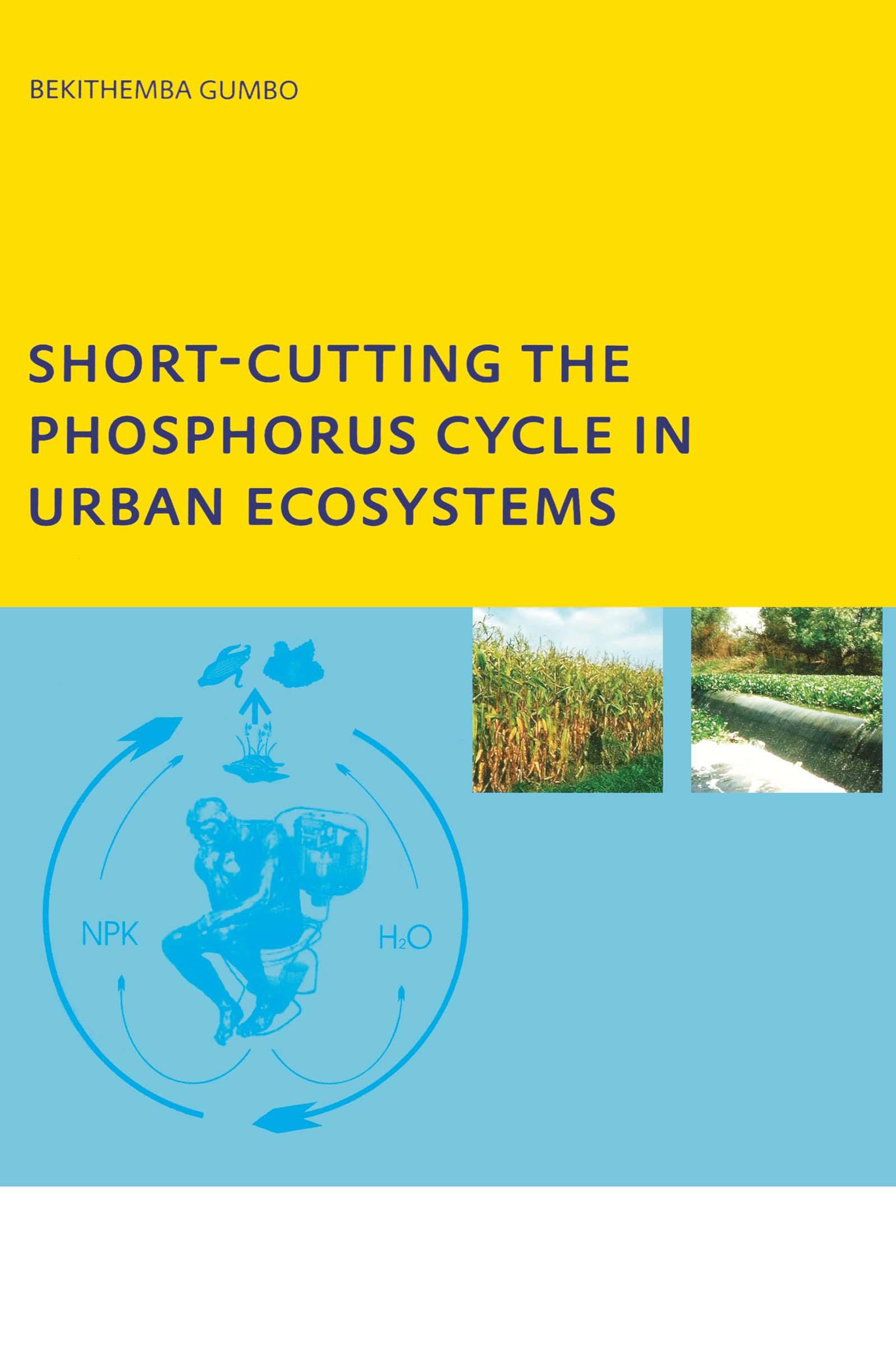
This dissertation presents a methodology of short-cutting the phosphorus cycle in urban ecosystems. In nature, the P-cycle is a circular, closed-loop system, but human activities use and dispose P in a linear, open-ended system leading to the customary environmental problems. Lake Chivero in Zimbabwe is used as a case study to illustrate the unsustainable practice of discharging valuable and finite phosphorous into drinking water resources. Short-cutting or closing the P-cycle in the urban environment is closely related to the closure of water cycles. Closing the P-cycle is dependent on the adoption of ecological sanitation and eco-city concepts. These concepts lead to solutions, which are source orientated (local and small scale), non-mixing, ecologically sound, closed-loop systems. Recycling of P in urban ecological agriculture (without synthetic fertilisers) is used in this dissertation to test the feasibility of these concepts. A phosphorus calculator has been developed, based on studies of monthly P-fluxes and stocks, in a high-density suburb of Harare in Zimbabwe, where agriculture is an established activity.
Betaal eenvoudig met kaart, Klarna, Apple Pay of Google Pay. Niet tevreden? Je hebt altijd 14 dagen bedenktijd. Lees meer in onze voorwaarden. Heb je vragen, mail ons dan via hello@memmo.org.
Memmo maakt studeren makkelijker – waar je ook bent ter wereld. Wij brengen je cursusboeken en slimme studietools samen op één plek: samenvattingen, quizzen, podcasts en flashcards. En Ted, je studievriend die antwoord geeft op alles wat je je afvraagt. Meer dan 50.000 studenten studeren hier al – gebouwd om je sneller te laten leren en minder stress te geven.