
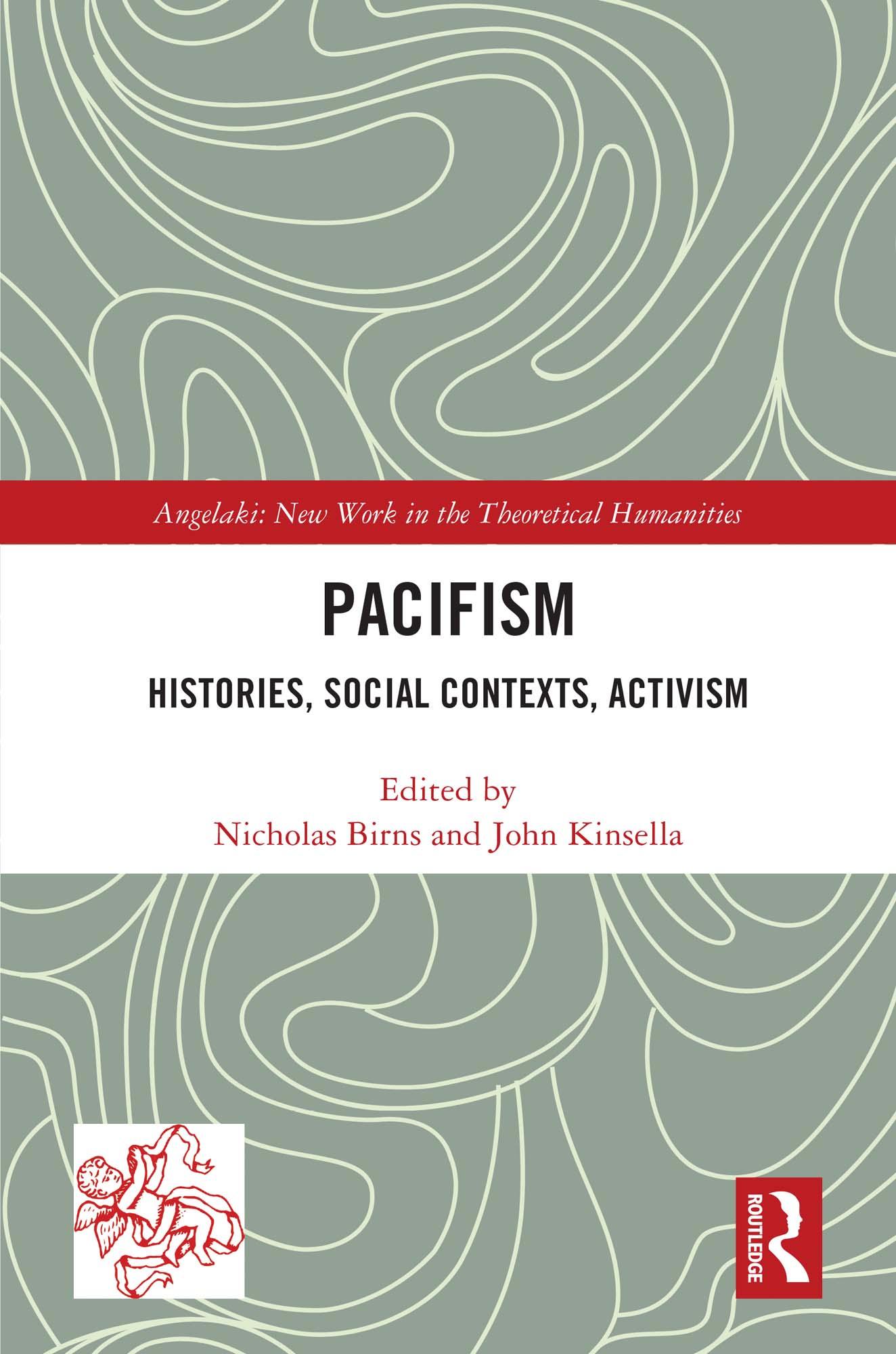
This book offers a profound and necessary re-evaluation of pacifism, positioning it not merely as a negative stance against war, but as a comprehensive philosophical orientation toward living and ethical engagement. Moving beyond conventional political and historical limitations, the collection interrogates the radical intellectual and practical potential of non-violence in the twenty-first century.
The contributions explore historical reappraisals—from reintroducing the Quaker pacifist Jonathan Dymond to considering Tolstoy in relation to critiques of Eurocentrism. Contemporary articulations of non-violence are examined, including anarcho-pacifism and feminist counternarratives emerging from movements like the Arab Spring. The book expands the scope of violence and pacifist resistance, questioning whether the ethical imperative of pacifism must extend to include refusal of violence against animal life and the inanimate, thereby embracing ecological and environmental justice.
This collection addresses academics, researchers, and advanced students in philosophy, political theory, peace studies, and environmental studies. It serves as essential reading for courses on pacifist philosophy, nonviolent resistance, and contemporary political thought, offering a revitalisation of pacifist knowledge as a critical counterforce to aggressive politics.
This book was originally published as a special issue of Angelaki: Journal for Theoretical Humanities.
Betaal eenvoudig met kaart, Klarna, Apple Pay of Google Pay. Niet tevreden? Je hebt altijd 14 dagen bedenktijd. Lees meer in onze voorwaarden. Heb je vragen, mail ons dan via hello@memmo.org.
Memmo maakt studeren makkelijker – waar je ook bent ter wereld. Wij brengen je cursusboeken en slimme studietools samen op één plek: samenvattingen, quizzen, podcasts en flashcards. En Ted, je studievriend die antwoord geeft op alles wat je je afvraagt. Meer dan 50.000 studenten studeren hier al – gebouwd om je sneller te laten leren en minder stress te geven.