
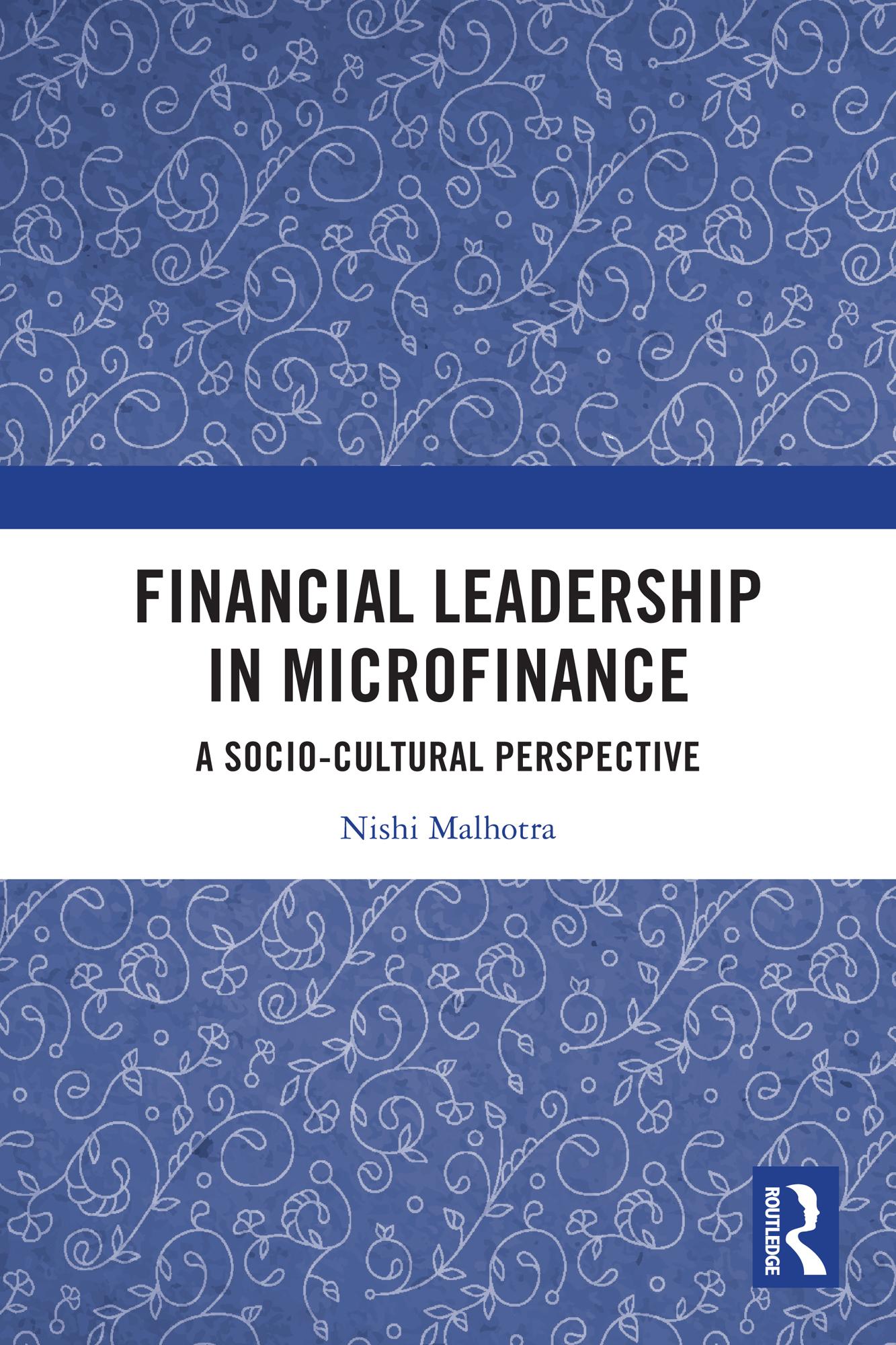
This book examines the critical role of financial literacy in enhancing financial inclusion for India's underprivileged populations, particularly during the unprecedented challenges posed by COVID-19.
Social capital, cultural norms, and shared psychological frameworks play a crucial role in determining financial inclusion outcomes for individuals at the bottom of the economic pyramid. India has rolled out various schemes to engage grassroots communities through local governance structures, ensuring robust support for those at the base of the socioeconomic pyramid. Despite pervasive marginalization, individuals below the poverty line have reaped benefits from the government of India's initiatives, granting them access to crucial financial services leveraging technology-driven approaches. Empowerment through roleplays, fairs, Naukkad Natak, Sakhi Mandals, and Didis has created leadership within the communities. Using the Grounded Theory & Case study, this book approaches the ambit of qualitative research to examine the issue of financial inclusion of the marginalized people through the use of financial and social intermediation.
This book aims to study the impact of socio-cultural factors on adoption of sustainable financial practices. It will be of interest to researchers, bankers, policy makers, students and academicians working with Development Economics, Finance, Microfinance Management, Social Finance, Credit & Credit institutions.
Betaal eenvoudig met kaart, Klarna, Apple Pay of Google Pay. Niet tevreden? Je hebt altijd 14 dagen bedenktijd. Lees meer in onze voorwaarden. Heb je vragen, mail ons dan via hello@memmo.org.
Memmo maakt studeren makkelijker – waar je ook bent ter wereld. Wij brengen je cursusboeken en slimme studietools samen op één plek: samenvattingen, quizzen, podcasts en flashcards. En Ted, je studievriend die antwoord geeft op alles wat je je afvraagt. Meer dan 50.000 studenten studeren hier al – gebouwd om je sneller te laten leren en minder stress te geven.