
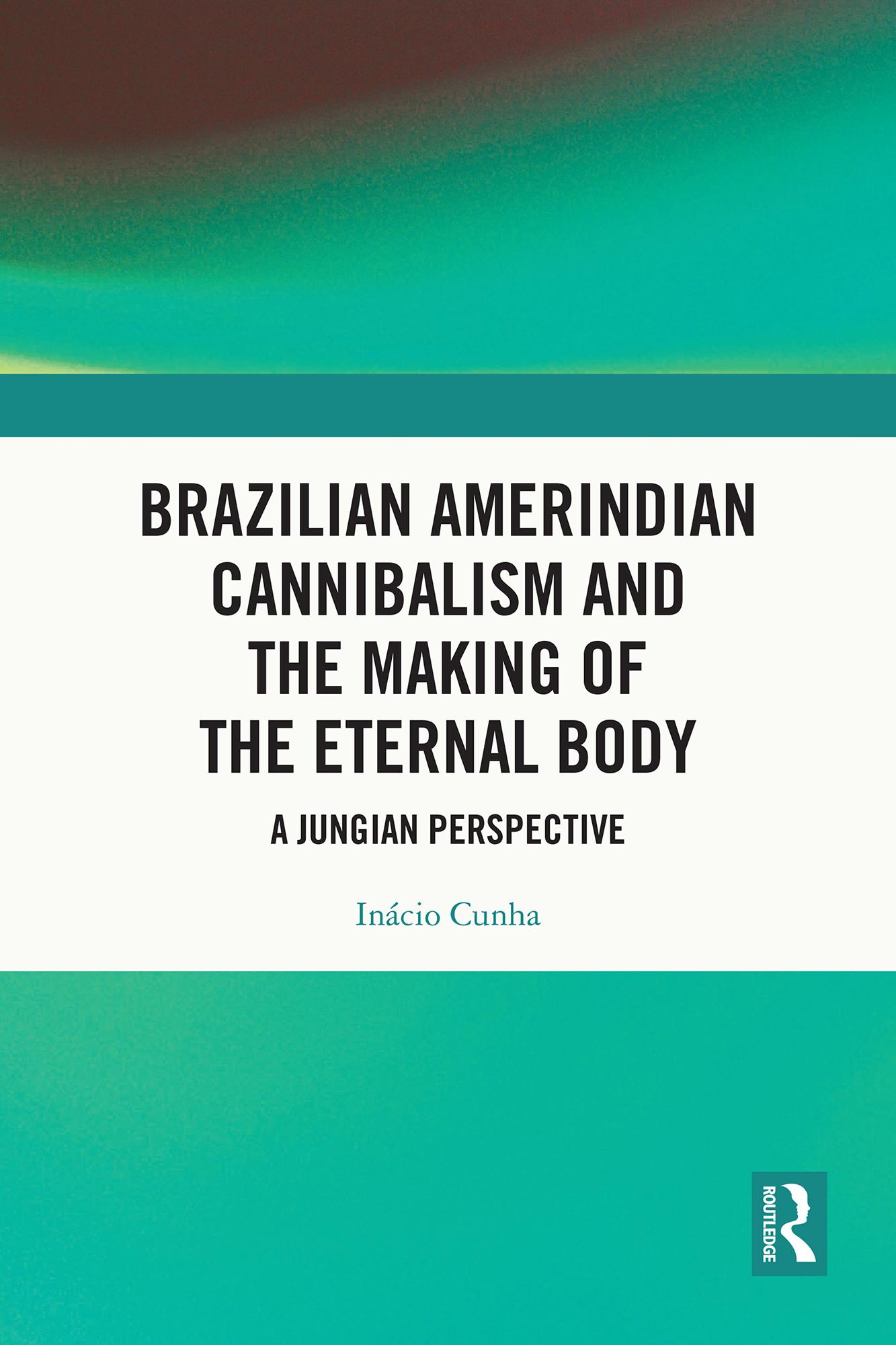
Drawing on extensive research into archaic Amerindian communities, this book presents a revolutionary thesis: Tupinambá cannibalism was not primarily about absorbing the qualities of the consumed enemy but rather served as a sacred pathway toward constructing an eternal, incorruptible body.
The author meticulously examines how warfare and ritualistic enemy consumption formed the cornerstone of a complex religious system deeply committed to transcending mortality. By reframing cannibalism as an expression of profound spiritual yearning rather than primitive savagery, this work challenges conventional anthropological interpretations and offers fresh insights into the universal human quest for eternity. The analysis reveals how the cultivation of "enmity" and warfare served as vehicles for addressing humanity's most fundamental existential concerns.
It will be an interesting read for researchers in the fields of Jungian psychology, social psychology, anthropology, and archaic communities.
Betaal eenvoudig met kaart, Klarna, Apple Pay of Google Pay. Niet tevreden? Je hebt altijd 14 dagen bedenktijd. Lees meer in onze voorwaarden. Heb je vragen, mail ons dan via hello@memmo.org.
Memmo maakt studeren makkelijker – waar je ook bent ter wereld. Wij brengen je cursusboeken en slimme studietools samen op één plek: samenvattingen, quizzen, podcasts en flashcards. En Ted, je studievriend die antwoord geeft op alles wat je je afvraagt. Meer dan 50.000 studenten studeren hier al – gebouwd om je sneller te laten leren en minder stress te geven.