
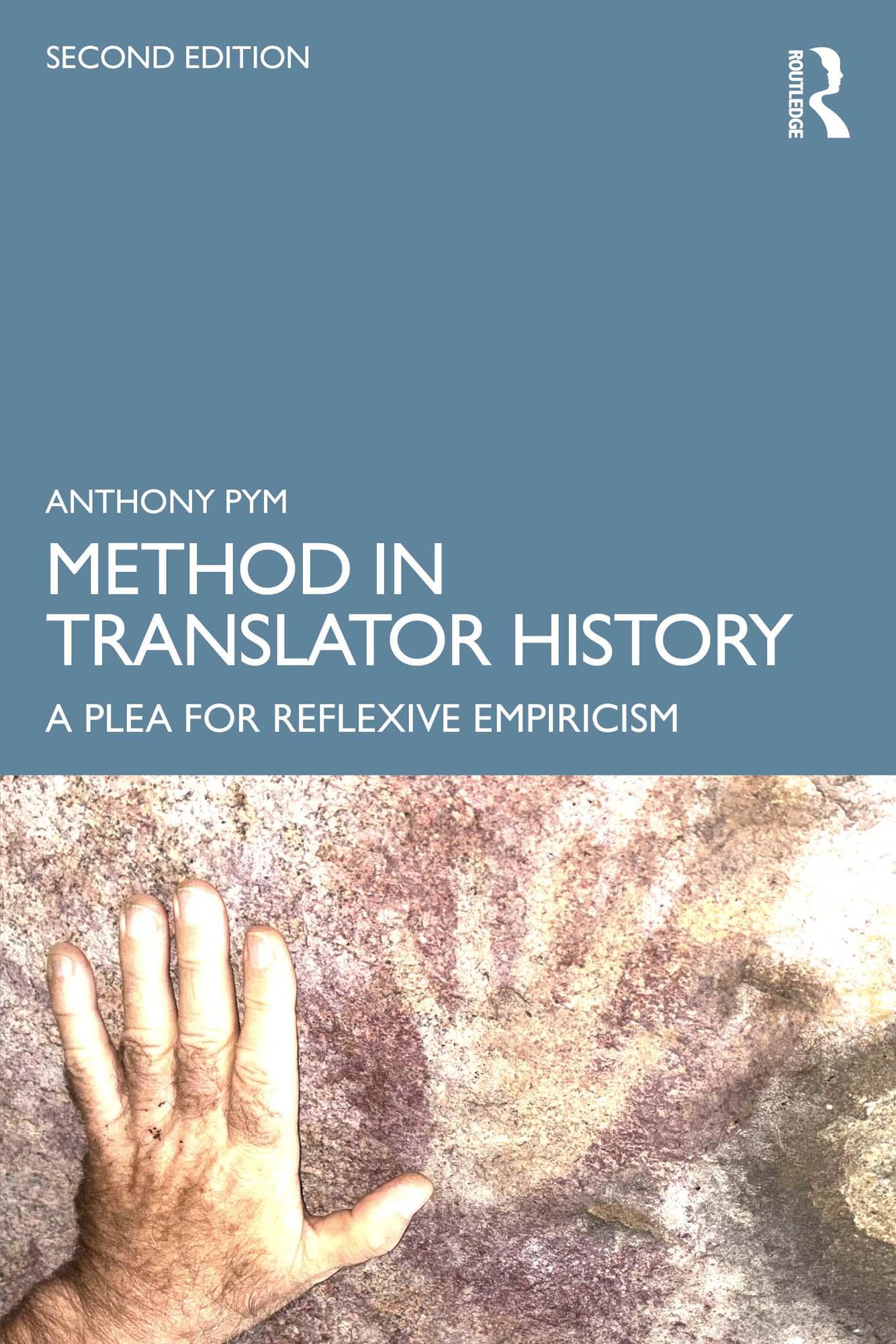
Method in Translator History is a complete reworking of the much-cited classic text Method in Translation History. It explains the basics of reflexive empiricism and offers a highly critical assessment of recent developments in the area. New chapters address current issues in the history of technologies, the risks of big data, types of translation flows, network analysis, translation policies, institutions, trust relationships, and the translator's historical agency.
A toolbox approach breaks issues down into commonsense questions, to which short, clear answers are provided. Examples are drawn from European and Asian cultures, as well as Australian Indigenous translation practices. Features include clear definitions of key terms, both in the initial glossary and throughout; an accessible academic style able to explain, and at the same time provoke, an overall structure that follows the research process, dealing with the selection of questions, data gathering, modes of analysis, considerations of how to present the completed research, and who is likely to listen to history; lists of questions that the historian could or should ask at each stage; examples of common traps to be avoided and examples of methodological mistakes made in previous research.
This text is suitable for translation studies researchers, graduate students, educators, professional translators, cultural historians, and digital humanities scholars seeking methodological guidance for historical research on translation practices.
Betaal eenvoudig met kaart, Klarna, Apple Pay of Google Pay. Niet tevreden? Je hebt altijd 14 dagen bedenktijd. Lees meer in onze voorwaarden. Heb je vragen, mail ons dan via hello@memmo.org.
Memmo maakt studeren makkelijker – waar je ook bent ter wereld. Wij brengen je cursusboeken en slimme studietools samen op één plek: samenvattingen, quizzen, podcasts en flashcards. En Ted, je studievriend die antwoord geeft op alles wat je je afvraagt. Meer dan 50.000 studenten studeren hier al – gebouwd om je sneller te laten leren en minder stress te geven.