
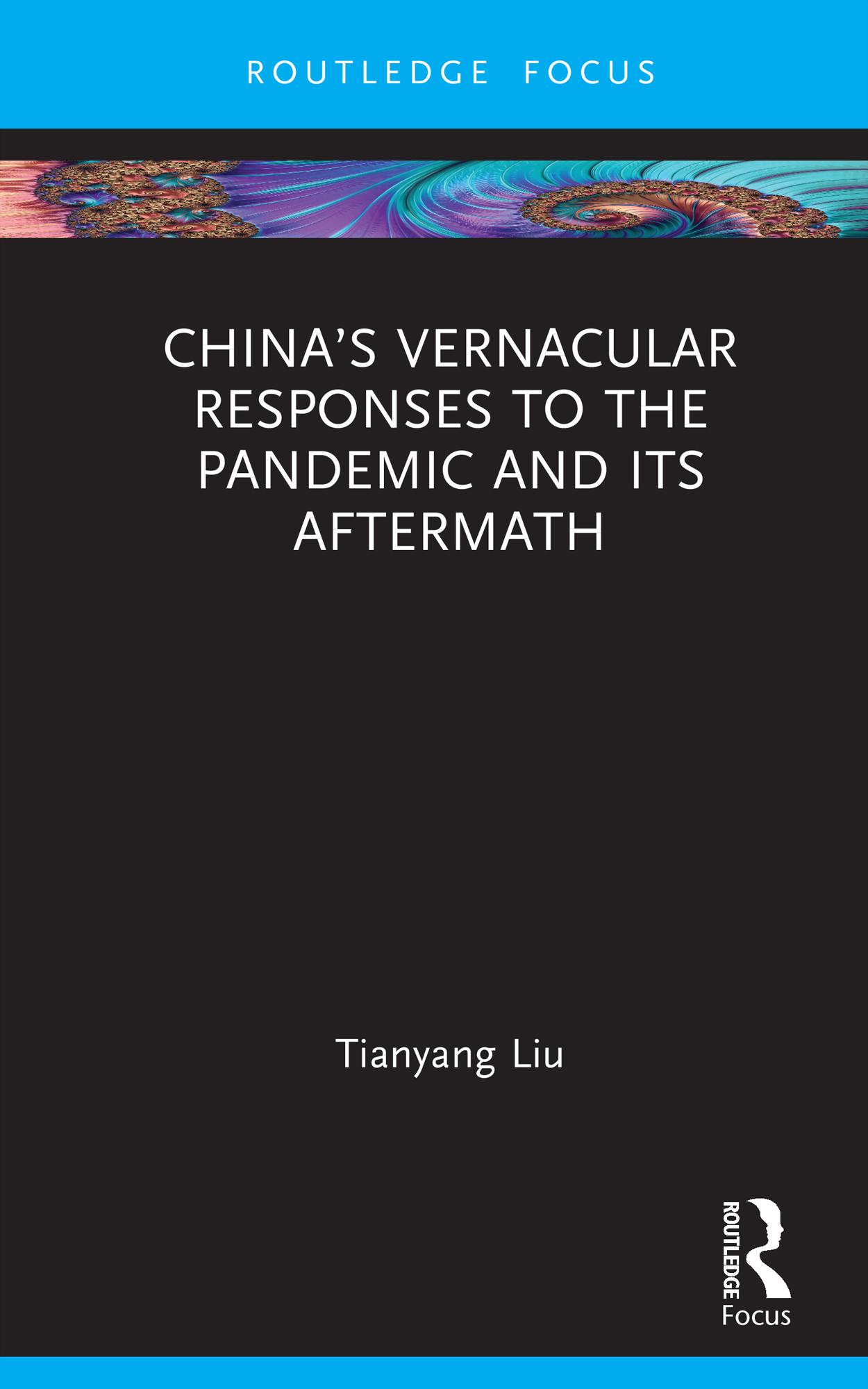
Rather than focusing solely on government policy, the book explores everyday life in urban and rural China during the pandemic. It shows how people navigated uncertainty and how those experiences continue to shape daily practices after the crisis. It also explores how large-scale public health measures were interpreted and adapted.
Drawing on interviews, digital diaries, and fieldwork conducted from 2020 to 2025, the book compares urban experiences in Wuhan with rural responses in provinces such as Henan and Hubei. The book highlights well-known moments, such as the Wuhan lockdown, village checkpoints, and community self-organisation. It also examines less visible practices, including mutual aid, humor, informal care, and everyday moral decision-making. A distinctive contribution of the book is its focus on the post-pandemic period. Rather than treating recovery as a return to normal life, the book illustrates how people gradually rebuild routines, relationships, and expectations amid ongoing uncertainty. The book treats the pandemic not as a temporary disruption followed by recovery but as a formative experience that reshapes how ordinary people understand responsibility, security, and everyday life over time.
This book will be valuable for scholars and students of politics, public health, and sociology, especially those interested in the unique Chinese experience of the pandemic.
Betaal eenvoudig met kaart, Klarna, Apple Pay of Google Pay. Niet tevreden? Je hebt altijd 14 dagen bedenktijd. Lees meer in onze voorwaarden. Heb je vragen, mail ons dan via hello@memmo.org.
Memmo maakt studeren makkelijker – waar je ook bent ter wereld. Wij brengen je cursusboeken en slimme studietools samen op één plek: samenvattingen, quizzen, podcasts en flashcards. En Ted, je studievriend die antwoord geeft op alles wat je je afvraagt. Meer dan 50.000 studenten studeren hier al – gebouwd om je sneller te laten leren en minder stress te geven.