
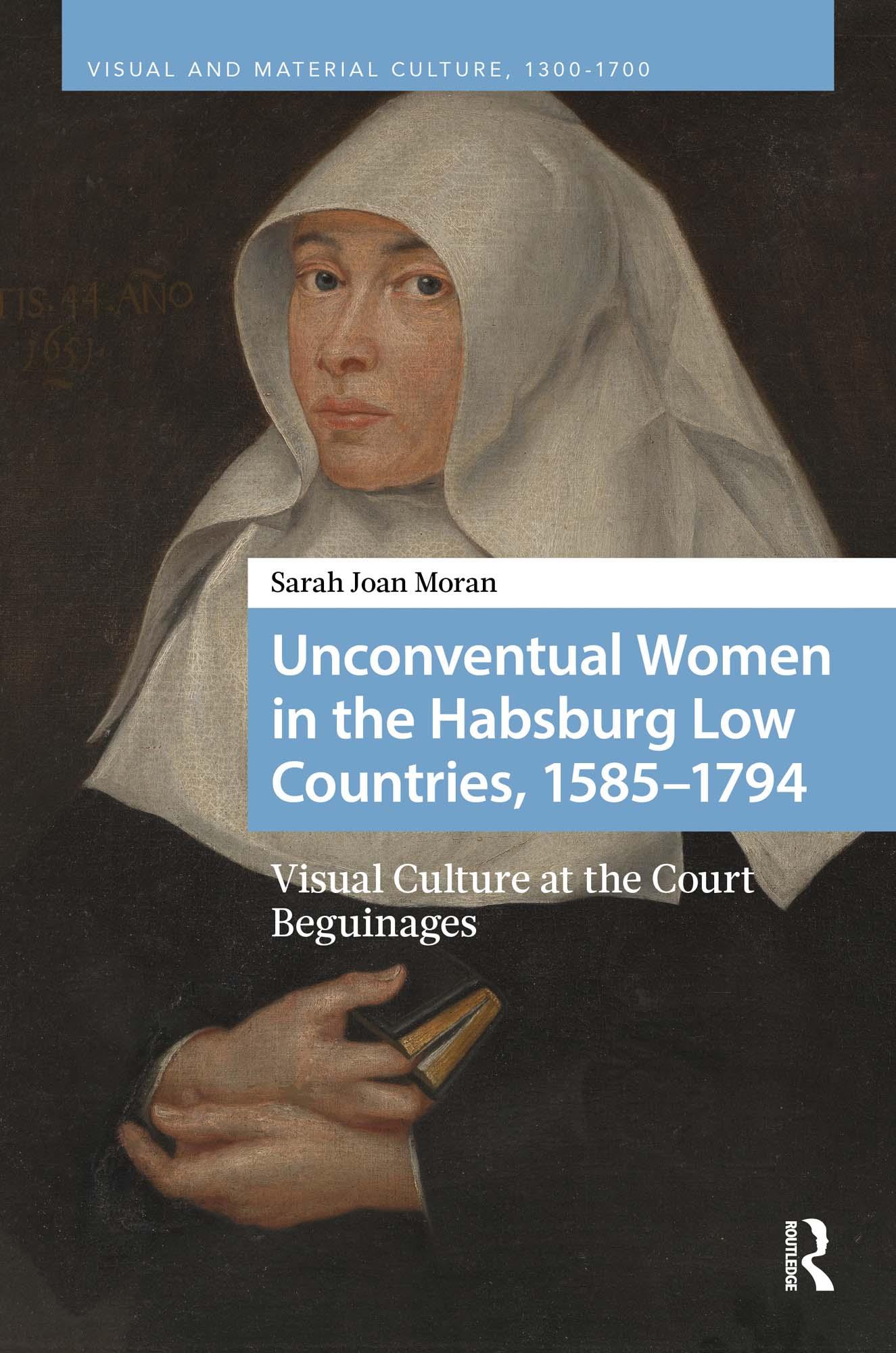
This book examines the Court Beguinages, a fascinating group of semi-monastic female communities that were endemic to cities of the Southern Low Countries from the thirteenth century into the twentieth.
Their members, called Beguines, played fundamental social and religious roles in their communities, and they also became major patrons of art and architecture, building vast complexes and filling them with paintings, sculptures, prints, textiles, and all sorts of other decorative objects. As the first comprehensive and primary source-driven account of Court Beguinage visual culture, this study explores the historical importance of these institutions and reveals how the Beguines used buildings and images to support devotional practice, shape public perception, raise funds, and negotiate power relationships during the Counter-Reformation.
Unconventual Women in the Habsburg Low Countries is intended for scholars and students of early modern history, art and architectural history, cultural history, religious history, and women’s and gender studies.
Betaal eenvoudig met kaart, Klarna, Apple Pay of Google Pay. Niet tevreden? Je hebt altijd 14 dagen bedenktijd. Lees meer in onze voorwaarden. Heb je vragen, mail ons dan via hello@memmo.org.
Memmo maakt studeren makkelijker – waar je ook bent ter wereld. Wij brengen je cursusboeken en slimme studietools samen op één plek: samenvattingen, quizzen, podcasts en flashcards. En Ted, je studievriend die antwoord geeft op alles wat je je afvraagt. Meer dan 50.000 studenten studeren hier al – gebouwd om je sneller te laten leren en minder stress te geven.