
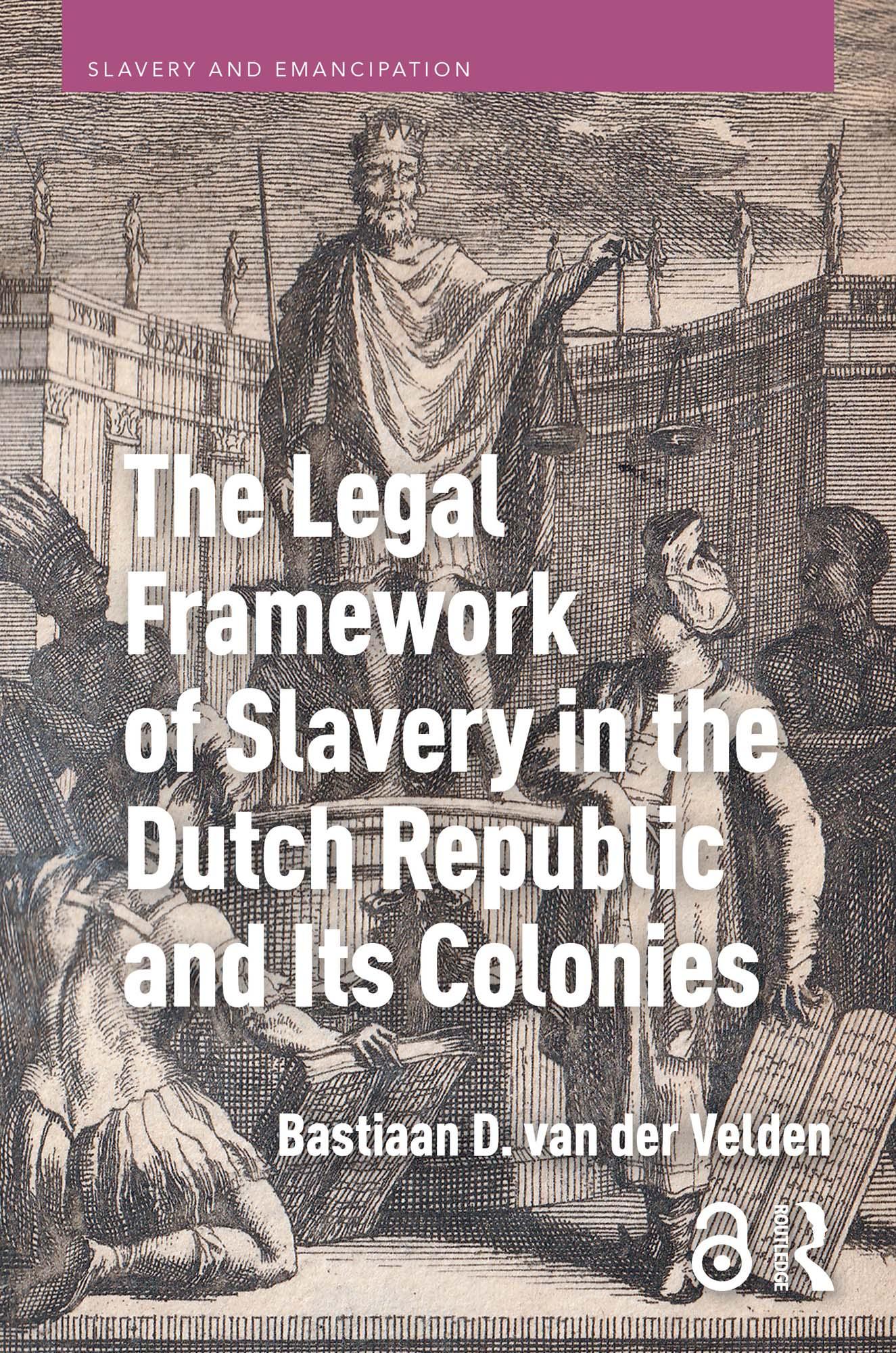
This study centers on the Dutch Republic, where Roman law—applied alongside contemporary legislation—was used to regulate the lives of enslaved individuals across its territories, albeit in a highly selective manner. Which provisions of Roman law were implemented, and what led to the exclusion of others?
This book investigates these questions through a historical analysis of the legal transfer of Roman law within both the metropole and the colonies. Special attention is given to the private law governing enslaved persons in the Dutch Republic and its overseas territories, including the WIC‑administered islands of Curaçao, Aruba, and Bonaire, the Sociëteit van Suriname, and the VOC‑controlled Cape Colony. The 2012 Bellagio‑Harvard Guidelines on the Legal Parameters of Slavery identify legal institutions grounded in the notion of ownership, providing a valuable framework for legal‑historical research on slavery.
Betaal eenvoudig met kaart, Klarna, Apple Pay of Google Pay. Niet tevreden? Je hebt altijd 14 dagen bedenktijd. Lees meer in onze voorwaarden. Heb je vragen, mail ons dan via hello@memmo.org.
Memmo maakt studeren makkelijker – waar je ook bent ter wereld. Wij brengen je cursusboeken en slimme studietools samen op één plek: samenvattingen, quizzen, podcasts en flashcards. En Ted, je studievriend die antwoord geeft op alles wat je je afvraagt. Meer dan 50.000 studenten studeren hier al – gebouwd om je sneller te laten leren en minder stress te geven.