
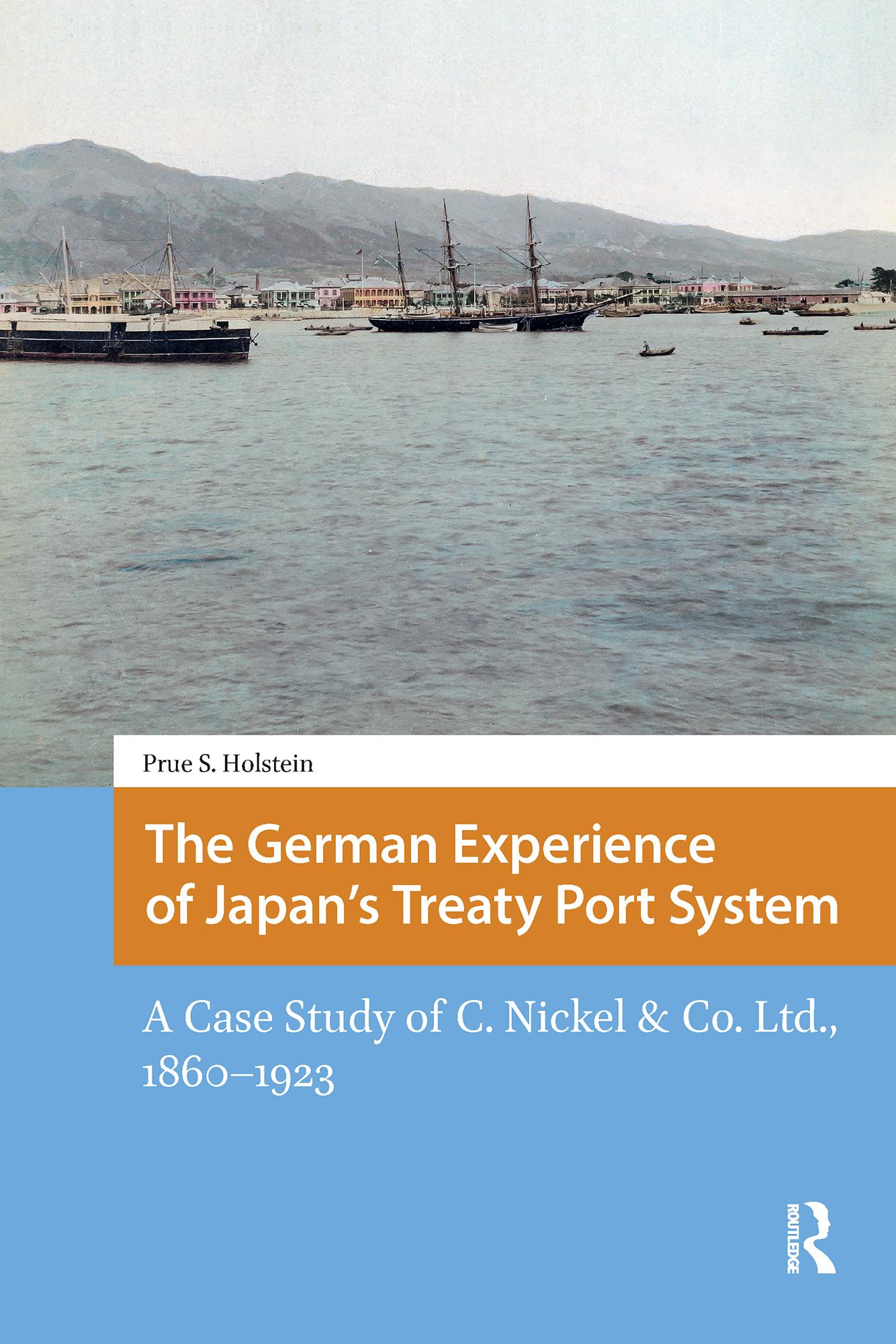
German merchants were attracted to the British Empire’s spheres of influence in northeast Asia from the 1700s. Their numbers increased when Britain established a network of treaty ports in China from 1842 and in Japan from 1858. A latecomer to empire, Germany, unified only in 1871, extended its imperial influence in China in 1898. This is the story of two German merchants, Carl Nickel and his relative and successor Christian Holstein, ancestors of the author’s husband, as they built their company, C. Nickel & Co. Ltd. in Kobe into their own waterfront empire contributing to the growth and modernization of the port. This is the story of how they operated in treaty port Japan where the Japanese government could be anti-foreign and obstructionist, partnering with or in opposition to British colleagues presenting new challenges as Holstein navigated World War One and its aftermath until 1923.
Betaal eenvoudig met kaart, Klarna, Apple Pay of Google Pay. Niet tevreden? Je hebt altijd 14 dagen bedenktijd. Lees meer in onze voorwaarden. Heb je vragen, mail ons dan via hello@memmo.org.
Memmo maakt studeren makkelijker – waar je ook bent ter wereld. Wij brengen je cursusboeken en slimme studietools samen op één plek: samenvattingen, quizzen, podcasts en flashcards. En Ted, je studievriend die antwoord geeft op alles wat je je afvraagt. Meer dan 50.000 studenten studeren hier al – gebouwd om je sneller te laten leren en minder stress te geven.
Misschien vind je dit ook leuk
Koop het boek0