
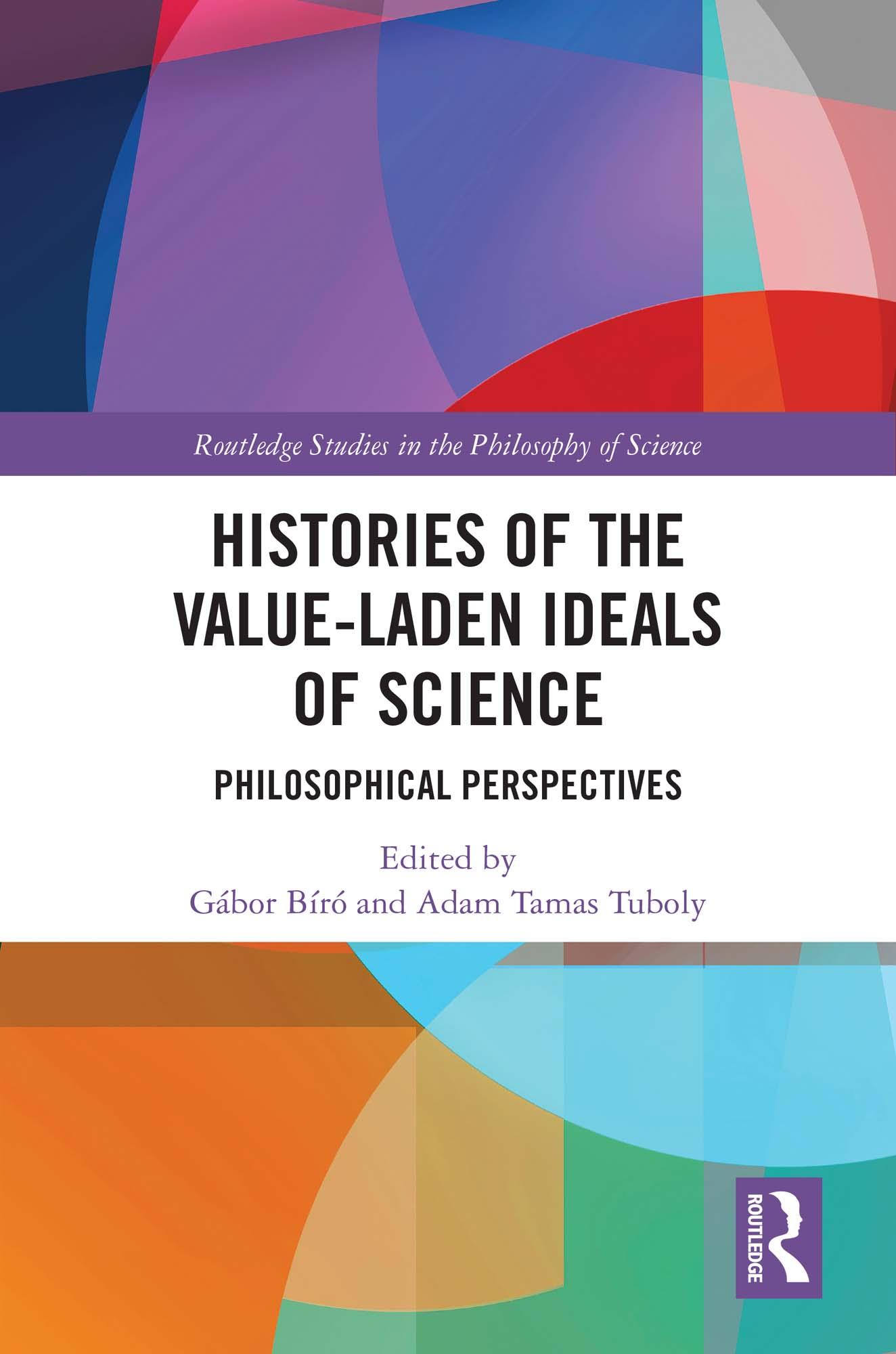
This volume challenges oversimplified accounts of the value-free (VFI) and the value-laden ideals (VLI) in twentieth-century philosophy of science. Rather than a single, unified position, it reveals a diversity of perspectives on the relationship between science and values among influential thinkers of the period.
Drawing on extensive historical research, this volume examines how philosophers including Rudolf Carnap, Herbert Feigl, Michael Polanyi, Robert K. Merton, Thomas Kuhn, and Paul Feyerabend approached questions of scientific objectivity, autonomy, and social responsibility. Each chapter situates these thinkers within their social and intellectual contexts. This volume demonstrates that even during the Cold War era, many philosophers of science refused to embrace a purely technical approach divorced from social concerns. By opening this “black box” in the history of philosophy of science, it offers a more nuanced understanding of how diverse thinkers conceptualized the proper relationship between scientific inquiry and human values.
Histories of the Value-Laden Ideals of Science makes a significant contribution to ongoing debates about objectivity, expertise, and the social dimensions of scientific knowledge. It is essential reading for researchers and graduate students working in the history and philosophy of science.
Betaal eenvoudig met kaart, Klarna, Apple Pay of Google Pay. Niet tevreden? Je hebt altijd 14 dagen bedenktijd. Lees meer in onze voorwaarden. Heb je vragen, mail ons dan via hello@memmo.org.
Memmo maakt studeren makkelijker – waar je ook bent ter wereld. Wij brengen je cursusboeken en slimme studietools samen op één plek: samenvattingen, quizzen, podcasts en flashcards. En Ted, je studievriend die antwoord geeft op alles wat je je afvraagt. Meer dan 50.000 studenten studeren hier al – gebouwd om je sneller te laten leren en minder stress te geven.