
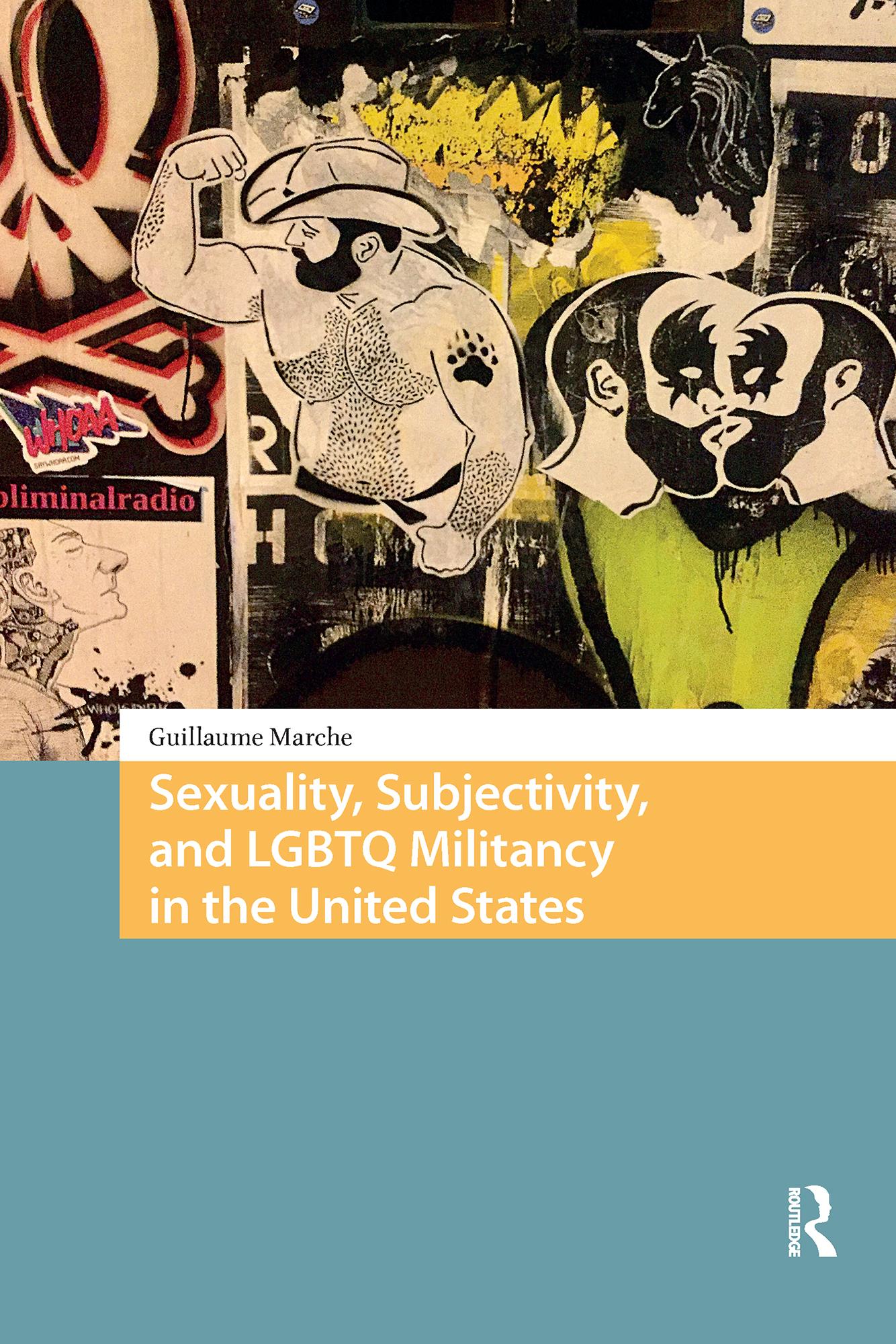
As LGBTQ movements in Western Europe, North America, and other regions of the world are becoming increasingly successful at awarding LGBTQ people rights, especially institutional recognition for same-sex couples and their families, what becomes of the deeper social transformation that these movements initially aimed to achieve? The United States is in many ways a paradigmatic model for LGBTQ movements in other countries. Sexuality, Subjectivity, and LGBTQ Militancy in the United States focuses on the transformations of the US LGBTQ movement since the 1980s, highlighting the relationship between its institutionalization and the disappearance of sexuality from its most visible claims, so that its growing visibility and legitimation since the 1990s have paradoxically led to a decrease in grassroots militancy. The book examines the issue from the bottom up, identifying the links between the varying importance of sexuality as a movement theme and actors' mobilization, and enhances the import of subjectivity in militancy. It draws attention to cultural, sometimes infrapolitical, forms of militancy that perpetuate the role of sexuality in LGBTQ militancy.
Betaal eenvoudig met kaart, Klarna, Apple Pay of Google Pay. Niet tevreden? Je hebt altijd 14 dagen bedenktijd. Lees meer in onze voorwaarden. Heb je vragen, mail ons dan via hello@memmo.org.
Memmo maakt studeren makkelijker – waar je ook bent ter wereld. Wij brengen je cursusboeken en slimme studietools samen op één plek: samenvattingen, quizzen, podcasts en flashcards. En Ted, je studievriend die antwoord geeft op alles wat je je afvraagt. Meer dan 50.000 studenten studeren hier al – gebouwd om je sneller te laten leren en minder stress te geven.