
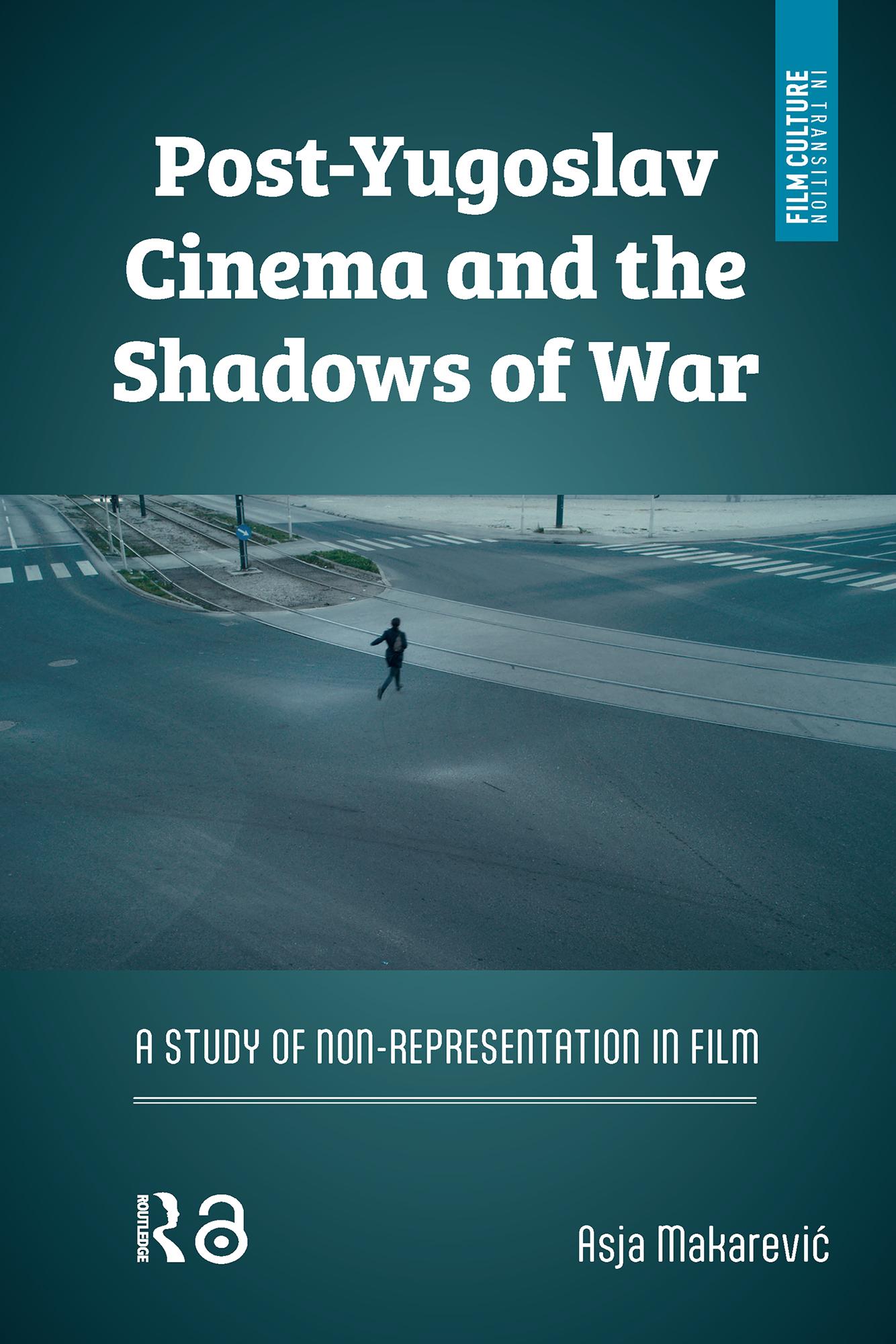
Bosnia-Herzegovina is still considered a post-war country. The concept of post-war implies that the country and its people are tied more strongly to the past than they are oriented towards the future. Paradoxically, as long as the future is kept at bay and the post-war condition kept alive, Bosnia maintains a certain significance on the global scene. However, living in the temporal vacuum of the post-war condition cannot be a long-term perspective. A range of post-Yugoslav films provides spectators with images that offer innovative approaches to the collective past, while simultaneously reframing contemporary experience. This study proposes to call non-representational images appears to offer a more dynamic relationship to the past and the present, while reflecting complex processes of the formation of identity, memory, guilt, and responsibility. But if these dynamics are inherent in non-representational images, is there a way in which they can contribute to overcoming the post-war condition?
Pagina's: 240
Categorie: Film- & Medievetenskap
e-ISBN: 9781040800737
Verzendgewicht: 1.2 kg
Verzending binnen: 1-2 dagen
Betaal eenvoudig met kaart, Klarna, Apple Pay of Google Pay. Niet tevreden? Je hebt altijd 14 dagen bedenktijd. Lees meer in onze voorwaarden. Heb je vragen, mail ons dan via hello@memmo.org.
Memmo maakt studeren makkelijker – waar je ook bent ter wereld. Wij brengen je cursusboeken en slimme studietools samen op één plek: samenvattingen, quizzen, podcasts en flashcards. En Ted, je studievriend die antwoord geeft op alles wat je je afvraagt. Meer dan 50.000 studenten studeren hier al – gebouwd om je sneller te laten leren en minder stress te geven.
Misschien vind je dit ook leuk
Koop het boek0