
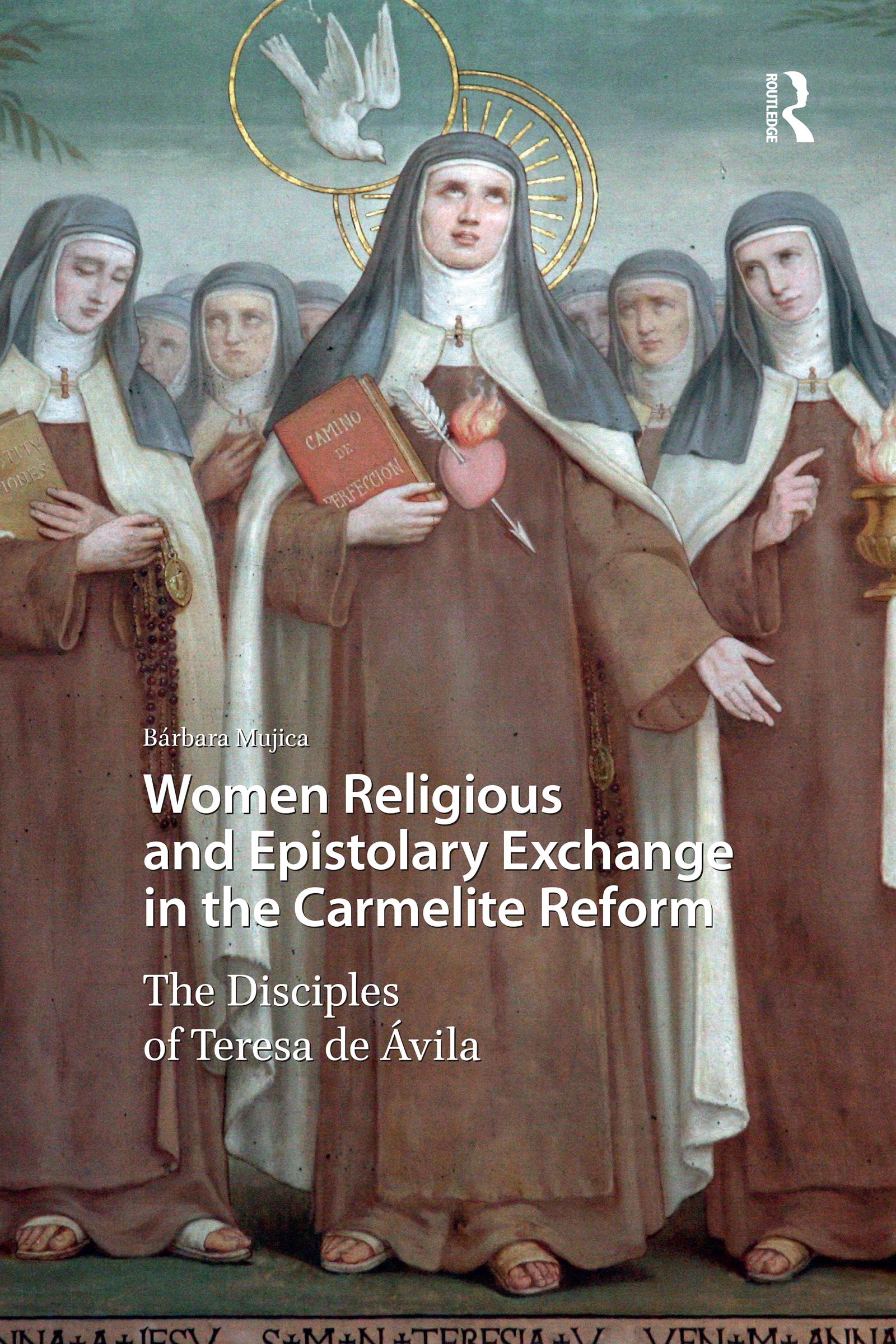
The sixteenth century was a period of crisis in the Catholic Church. Monastic reorganization was a major issue, and women were at the forefront of charting new directions in convent policy. The story of the Carmelite Reform has been told before, but never from the perspective of the women on the front lines. Nearly all accounts of the movement focus on Teresa de Avila, (1515-1582), and end with her death in 1582. Women Religious and Epistolary Exchange in the Carmelite Reform: The Disciples of Teresa de Avila carries the story beyond Teresa's death, showing how the next generation of Carmelite nuns struggled into the seventeenth century to continue her mission. It is unique in that it draws primarily from female-authored sources, in particular, the letters of three of Teresa's most dynamic disciples: María de San José, Ana de Jesús and Ana de San Bartolomé.
Betaal eenvoudig met kaart, Klarna, Apple Pay of Google Pay. Niet tevreden? Je hebt altijd 14 dagen bedenktijd. Lees meer in onze voorwaarden. Heb je vragen, mail ons dan via hello@memmo.org.
Memmo maakt studeren makkelijker – waar je ook bent ter wereld. Wij brengen je cursusboeken en slimme studietools samen op één plek: samenvattingen, quizzen, podcasts en flashcards. En Ted, je studievriend die antwoord geeft op alles wat je je afvraagt. Meer dan 50.000 studenten studeren hier al – gebouwd om je sneller te laten leren en minder stress te geven.